
North West Tasmania Your Ultimate Travel Guide
12 January 2025
Picture this: a corner of Australia where wild, rugged coastlines give way to ancient rainforests, and tiny, charming towns seem like they’re from another era. That’s North West Tasmania in a nutshell. It’s a place that feels remote and untamed, yet it’s surprisingly easy to get to, making it one of the country’s most rewarding adventures.
Your Guide to an Untamed Paradise
While Tasmania’s east coast often gets the limelight, the North West holds a different kind of magic for those who venture off the beaten track. This part of the island is all about dramatic scenery, a deep sense of history, and a quiet, genuine charm that tends to stick with you long after you’ve left.
Think of this as your insider’s guide. We’re going to skip the obvious tourist traps and show you the real heart and soul of North West Tasmania.
A Land of Incredible Contrasts
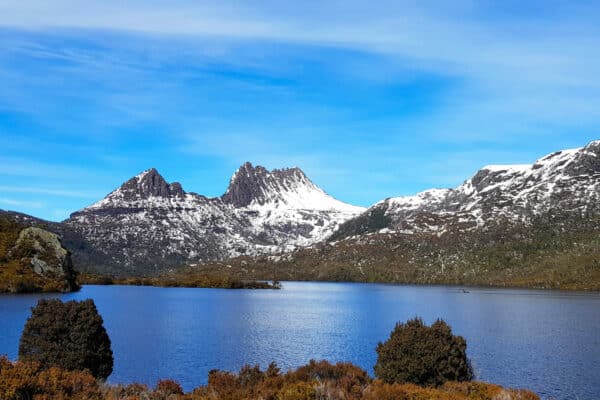
What really sets this region apart is its sheer diversity. It’s one of the few places where you can be standing in the shadow of Cradle Mountain’s jagged peaks in the morning, and by the afternoon, find yourself wandering through the Tarkine, the largest temperate rainforest in Australia.
Here’s a taste of what you’ll discover:
- Raw Wilderness: The region is home to globally significant natural wonders, including parts of the Tasmanian Wilderness World Heritage Area.
- Historic Towns: You can step back in time in perfectly preserved colonial villages like Stanley, which sits right at the base of a striking old volcanic plug known as ‘The Nut’.
- Stunning Coastlines: Get ready for deserted, idyllic beaches and dramatic cliffs shaped by the powerful Bass Strait.
- Amazing Wildlife: Honestly, it’s one of the best spots in Australia to see native animals just doing their thing in the wild.
- “A road trip to Tasmania’s north west is a journey of discovery and delight. From ancient rainforests and rugged coastline to idyllic beaches and quaint little towns… north west Tasmania has it all.”
Planning Your Tassie Adventure
Getting your head around such a vast area can feel a bit overwhelming, but we’ve done the legwork for you. This guide is all about helping you find those hidden gems alongside the must-see spots, pointing you towards unique experiences that truly connect you to the place. We want your trip to be as smooth as it is unforgettable.
Whether you’re after a quick coastal getaway or a full-on wilderness immersion, you’ll find what you need right here. And while our focus is the North West, don’t forget to check out our broader list of the top 10 things to do in Tasmania to see how this incredible region fits into the bigger picture of a trip around the island.
Right, let’s get started on your journey into this untamed paradise.
Getting to Know the Towns and Gateways of the North West
The coastal towns of North West Tasmania aren’t just pins on a map; they’re the lifeblood of the region, each with its own personality and story. This is where your adventure really begins, where charming streets meet the wild Bass Strait, creating a perfect mix of culture, history, and raw natural beauty. Think of these towns as your launching pads for the wilder landscapes that lie just beyond.
This part of Tassie moves at a different pace. It’s a place of tight-knit communities where life is a bit slower, a bit more deliberate. You’ll find locals who are genuinely proud of their heritage and more than happy to share it with you.
The community here is unique, too. Across key towns like Burnie, Devonport, and Ulverstone, the North West is home to around 113,927 people, with a significant Indigenous (Aboriginal) population. This speaks to a deep, unbroken connection to this land that has existed for millennia. You can get a better sense of the community by checking out the profile on the TasCOSS website.
Devonport: The Spirit of Arrival
For many people, Devonport is their very first glimpse of Tasmania. As the home of the Spirit of Tasmania ferry terminal, it’s a city that knows how to give a good welcome. But it’s so much more than just a place to pass through. The city is split in two by the Mersey River, offering lovely waterfront walks and a wonderfully relaxed vibe.
To get your bearings, pop into the Bass Strait Maritime Centre for a fascinating look at the region’s seafaring past. Afterwards, a stroll along the sandy shores of Coles Beach or up to the Bluff will reward you with sweeping views back over the city and out to sea. It’s the perfect, scenic introduction to any North West adventure.
Burnie: A City Reimagined
Head west along the coast and you’ll soon find yourself in Burnie, a city that has brilliantly reinvented itself from an industrial town into a buzzing creative hub. The huge paper mill that once dominated the skyline has given way to a thriving artisan spirit.
The Makers’ Workshop is an absolute must-do. Here, you can watch talented craftspeople in action—from paper makers to cheesemakers and distillers—and even try your hand at making your own paper. Come evening, make your way to the Little Penguin Observation Centre to see the charming local colony waddle ashore after a day of fishing. It’s a truly magical sight.
Ulverstone and Penguin: Seaside Charm
Continuing your journey along the Bass Strait coast, you’ll discover the towns of Ulverstone and Penguin, both brimming with seaside charm. Ulverstone, set right at the mouth of the Leven River, is an ideal base for exploring the incredible nature right on its doorstep. It’s just a short drive to the dramatic Leven Canyon and the mysterious Gunns Plains Caves, making it a great spot for both coastal relaxation and inland adventures.
Just down the road is the town of Penguin, which is every bit as quirky and delightful as its name suggests.
You literally can’t miss the 3.15-metre-tall Big Penguin statue on the foreshore—it’s a classic photo op. The whole town leans into its theme, with penguin details on everything from street signs to rubbish bins, giving it a playful character that perfectly complements its stunning coastal views.
Take a wander along the esplanade, and if you’re visiting between November and March, you might just spot the real deal—fairy penguins coming ashore at Penguin Point after dusk.
Stanley: History Under The Nut
Your coastal drive culminates in Stanley, a village that is, without a doubt, one of Australia’s prettiest and most historic. Tucked away at the base of The Nut, a massive, flat-topped volcanic plug, Stanley feels like you’ve stepped straight into another era. Its streets are lined with perfectly preserved colonial cottages and grand old buildings that give you a real, tangible sense of the past.
You simply can’t visit Stanley without getting up close and personal with The Nut. You can tackle the steep but incredibly rewarding walking track to the summit or, if you prefer, hop on the chairlift for a more relaxing ride. Once you’re at the top, the 360-degree views of the rugged coastline and the impossibly charming village below are absolutely breathtaking.
To really sink into the local history, spend some time at Highfield Historic Site, the beautifully restored 1830s homestead of the Van Diemen’s Land Company. A guided coastal walk is a fantastic way to experience the town’s hidden corners and stunning seascapes, all while a local expert brings its rich stories to life.
From Majestic Mountains to Ancient Rainforests
Our journey into this pristine wilderness has to start with the icon itself: Cradle Mountain-Lake St Clair National Park. This World Heritage Area is the undeniable crown jewel of the region. Stepping into its world of moss-covered forests, snow fed river gorges, and unique alpine moorlands feels like stepping back in time.
The sheer scale of it all can feel a little overwhelming at first, but the magic of Cradle is how accessible it is. Whether you’re a seasoned trekker ready for a challenge or just looking for a gentle, scenic stroll, there’s a path waiting for you, and each one reveals another facet of this incredible environment.
Cradle Mountain: A Hiker’s Paradise
Cradle Mountain is, without a doubt, one of the best places in Tasmania to spot native wildlife. Keep your eyes peeled for wombats munching on grass plains, echidnas shuffling along the trails, and wallabies hopping through the woodlands.
To get into the park’s core, you’ll need a Parks Pass, which you can grab at the visitor centre. From there, a shuttle bus conveniently takes you to the various trailheads, which is a great system for minimising traffic and keeping the atmosphere peaceful.
The park offers trails for every fitness level:
- Dove Lake Circuit: This is the quintessential Cradle walk. It’s a fairly flat 6-kilometre loop that traces the edge of the stunning glacial lake, giving you those postcard-perfect views of Cradle Mountain’s famous twin peaks from nearly every angle. This will take about 2-3 hours.
- Enchanted Walk: Perfect for families or anyone short on time, this 20-minute circuit is pure magic. It winds through a mossy rainforest that looks like something straight out of Tolkien, with every surface draped in a thick, green blanket.
- Challenging Hikes: For those wanting to earn their views, trails like the climb to Marion’s Lookout deliver breathtaking panoramas over Dove Lake and the surrounding peaks. It’s a steep haul, 10-kilometre grade 3 circuit walk, but the reward at the top is absolutely unforgettable. This walk will take about 3-4 hours.
The Tarkine (takayna): An Ancient Rainforest
From the alpine heights, we head down into the deep, green heart of the Tarkine, or takayna, as it is known by Tasmania’s Aboriginal people. This is one of the planet’s largest remaining tracts of cool-temperate rainforest—a living, breathing relic of the ancient supercontinent Gondwana.
The air here just feels different. It’s cool, damp, and thick with the earthy scent of moss and wet soil. Sunlight struggles to pierce the dense canopy, sending dappled light onto a forest floor where giant myrtle beeches and ancient Huon pines stand as silent witnesses to millennia. This isn’t just a forest; it’s a place of immense spiritual and natural importance.
Exploring the Tarkine is a profound experience. You can follow the stunning Tarkine Drive, a route that loops through the forest and along the rugged coastline. It has plenty of stops for short walks that lead to incredible features like the Trowutta Arch and the perfectly still, mirrored waters of Lake Chisholm.
The Tarkine isn’t just a collection of trees; it’s a living, breathing ecosystem. Stepping into this ancient forest is like stepping back in time, offering a humbling perspective on nature’s enduring power and fragility.
For a completely different viewpoint, our Tarkine eco-cruises offer a serene journey along the Pieman or Arthur Rivers. Gliding silently on the water, you get a real appreciation for the sheer scale and untouched beauty of this wild place from the comfort of a specialised boat.
Rocky Cape and Leven Canyon
Beyond the big names of Cradle and the Tarkine, the North West is dotted with other spectacular natural treasures. Two of the most impressive are Rocky Cape National Park and the dramatic Leven Canyon.
Rocky Cape National Park is a place rich in Aboriginal heritage and stunning coastal scenery. It’s a landscape of sea caves, rock pools, and windswept heathlands crisscrossed with walking tracks that offer magnificent views across Bass Strait. It’s a quieter, more intimate park where you can really feel a deep connection to both the land and the sea.
Head a bit further inland, and Leven Canyon offers a completely different kind of thrill. Here, the wild Leven River has carved a massive chasm, 250 metres deep, right through the landscape. A series of walking tracks lead to two incredible lookouts that jut right out over the canyon’s edge, giving you heart-stopping views down to the river far below. The sheer scale of the limestone cliffs makes this one of the region’s most underrated natural wonders and a powerful reminder of nature’s relentless force.
How to Build Your Perfect North West Tasmania Itinerary
Trying to plan a trip to North West Tasmania can feel a bit overwhelming, we have a number of tours for this region with so much to see, from wild coastlines to ancient rainforests, it’s easy to get lost in the options.
Can’t decide between the coast and the wilderness? With a week, you don’t have to. This trip blends the best of both worlds into one epic journey, giving you the complete North West Tasmania experience.
This longer timeframe means you can explore at a more relaxed pace, really soaking in each place without feeling rushed. You’ll see it all, from the friendly coastal communities to the awe-inspiring, ancient landscapes.
Putting together a trip with this much ground to cover can be a bit tricky, which is why a guided option like our 6 Day Wilderness Icons Coach Tour can be a great idea, as it takes care of all the logistics for you.
No matter which trip you choose, you’ll need to be prepared for Tasmania’s famously fickle weather.
Weather in Tasmania
Tasmania has a cool, temperate climate with four distinct seasons. Summers are generally mild, with average highs of about 17–23°C (62–73°F), while winters are cool, with typical lows around 3–11°C (37–51°F). Inland and highland areas can be much colder, and snow is common on Mount Wellington. Coastal regions—especially the East Coast—tend to be milder overall. July is usually the coldest month, and January–February are typically the warmest.
As you can see, the summers are mild and the winters are cool, with rain possible at any time of year. The golden rule for packing for Tassie is to bring layers—you’ll be glad you did
Essential Planning Tips for Your Trip
A brilliant holiday always comes down to good planning, and getting the logistics sorted for your North West Tasmania adventure will make all the difference. This part of the world is a stunning mix of wild, remote landscapes and surprisingly easy-to-reach towns. A little bit of prep work means you can spend less time worrying about the details and more time soaking in the views.
Getting here is an experience in itself. Many people love the classic arrival on the Spirit of Tasmania, sailing into Devonport across the Bass Strait. It’s a memorable journey, and the best part is you can bring your own car. The other option is to fly into Devonport or nearby Launceston and pick up a hire car. A standard 2WD will handle the main sealed roads just fine, but if you’ve got your heart set on tackling some of the more rugged forest tracks, a 4WD will give you that extra confidence.
When to Visit and What to Pack
The “best” time to visit really depends on what you’re hoping to see and do. Summer (December to February) brings warm, sunny days perfect for hitting the beach or tackling long hikes. Come autumn (March to May), the landscape puts on a spectacular show, especially with the turning of the fagus at Cradle Mountain – a rare treat.
Winter (June to August) can be cold, with snow dusting the highlands and turning the mountains into a magical alpine wonderland. Then, spring (September to November) arrives, and the whole region bursts into colour with wildflowers. No matter when you visit, remember the golden rule of Tasmanian travel: be prepared for anything. It’s no joke that you can experience four seasons in one day here, so packing smart is key.
Here’s a quick checklist to make sure you’re ready for whatever the weather throws at you:
- A good waterproof jacket: This is non-negotiable. Sudden showers can pop up out of nowhere.
- Warm layers: Think fleeces, thermal tops, and a beanie. You’ll be glad you have them, even in summer.
- Sturdy walking shoes: Make sure they’re comfortable and well broken-in. You’ll be doing a lot of exploring.
- Sun protection: The Aussie sun is fierce. A hat, sunnies, and sunscreen are must-haves.
- Your camera: Trust us, you won’t want to forget it.
With these essentials packed and your plans in place, you’re all set for an unforgettable journey through this wild and wonderful corner of Tasmania.
Connecting with the Region’s Rich History
For tens of thousands of years, this has been the home of Tasmania’s First Nations people. Their spiritual connection to the land is deep and unbroken, a heritage woven into the very fabric of the mountains, coastlines, and forests you see today.
The arrival of Europeans brought a dramatic shift. This part of the island became a major focus for colonial development, largely thanks to the powerful Van Diemen’s Land Company. Starting its operations in 1826, the company essentially took control of the entire northwest, shaping its agricultural future. Its influence was immense—by 1830, Tasmania was home to almost a third of Australia’s entire non-Indigenous population.
Experiencing History Firsthand
You can still see the clear imprint of this colonial era in the charming architecture of towns like Stanley. The best way to connect with this history isn’t just to read about it, but to walk through it.
Visiting the Highfield Historic Site in Stanley is like stepping back in time. As the original headquarters for the Van Diemen’s Land Company, this beautifully preserved 1830s homestead gives you a real, tangible sense of the ambition and struggle of colonial life.
If you want to dive deeper into these stories, guided heritage tours are the way to go. Our local experts are brilliant storytellers who bring the past to life, giving you a much richer appreciation for this incredible place.
Take a look at our full range of North West Tasmania tours to find an adventure that truly connects you with the region’s soul.
Got a Few Questions About North West Tasmania?
You’re not alone! To help you iron out the last few details of your trip, here are some of the most common things travellers ask before heading to Tassie’s wild North West.
So, How Long Should I Plan For?
You can definitely get a great feel for the coast on a quick 3-day trip, but to really sink your teeth into the region, we’d recommend setting aside at least 5 to 7 days.
That gives you enough breathing room to explore coastal gems like Stanley and venture into the vast wilderness of Cradle Mountain or the Tarkine without feeling like you’re constantly watching the clock. A full week is the sweet spot to truly settle into the area’s wonderfully relaxed pace.
When’s the Best Time of Year to Go?
Honestly, North West Tasmania is incredible at any time of year, but the “best” time really comes down to what you’re hoping to experience.
- Summer (December-February): This is your classic choice for warm weather, long sunny days, and perfect conditions for hiking and hitting the beach.
- Autumn (March-May): The weather is often beautifully stable, the crowds have thinned out, and you might catch the famous turning of the fagus at Cradle Mountain – a truly spectacular sight.
- Winter (June-August): Expect moody skies and a chance of snow in the highlands. It’s a magical time for photographers and anyone who loves the idea of cosying up by a fireplace after a day of exploring.
- Spring (September-November): The whole landscape just bursts back to life. Waterfalls are thundering after the winter rains, and the fields are carpeted in wildflowers.
Will I Need a 4WD to Get Around?
For the vast majority of visitors, a standard 2WD car is all you’ll need. The main highways connecting the towns and the roads leading to major spots like Cradle Mountain, Stanley, and the Tarkine Drive are all sealed and in good shape.
You’d only need to think about a 4WD if you’re an experienced adventurer planning to head deep into specific off-road tracks or remote forestry roads.
One of the best things about the North West is how accessible it is. It feels incredibly remote and wild, yet the road network makes getting to all the highlights surprisingly easy.
What Kind of Wildlife Will I See?
Get your camera ready, because this is one of Australia’s absolute hotspots for wildlife. Around Cradle Mountain, you’re almost guaranteed to see wombats munching on grass. Keep an eye out for Bennett’s wallabies and spiky little echidnas just about everywhere.
Once the sun goes down, you might be lucky enough to spot the elusive Tasmanian devil or a spotted-tail quoll. And along the coast, make sure you head to the viewing platforms in places like Burnie and Stanley to watch little penguins waddle ashore at dusk.
Feeling inspired to see this untamed corner of the world for yourself? We offer a fantastic range of guided holiday packages that take care of all the planning for you. Whether you’re after a short escape or a deep dive into the wilderness, we’ve got a trip that will show you the magic of North West Tasmania.