

End of Financial year sale! Save up to $200 per person on selected tours departing in 2026. Sale ends 30th June 2026. New Bookings only.
Top 9 Things to Do in Tasmania Australia: Ultimate Guide 2026
23 October 2025
Welcome to Tasmania, Australia’s island state where ancient wilderness, captivating history, and world-class culture collide. Far from just a footnote on the map, ‘Tassie’ offers a world of unique experiences packed into a surprisingly compact and accessible destination. It’s an island that rewards the curious traveller, revealing dramatic landscapes, gourmet delights, and profound stories around every corner. Deciding what to prioritise can be the biggest challenge, which is why we’ve curated this guide to simplify your planning.
This article cuts straight to the essentials, detailing the top 10 things to do in Tasmania, Australia, ensuring you don’t miss the experiences that truly define the island. We’ll move beyond simple descriptions to provide you with practical, actionable advice. Inside, you’ll discover the best times to visit iconic sites like Cradle Mountain, find tips for navigating the thought-provoking halls of MONA, and get insights on how to best experience the haunting beauty of the Port Arthur Historic Site.
Whether you’re a retiree looking for a scenic drive, a solo traveller seeking a structured tour, or a family wanting a mix of nature and history, this list is your starting point. We’ll cover everything from spectacular hikes in Freycinet National Park to savouring local produce at Hobart’s Salamanca Market. Our goal is to equip you with the knowledge to build a memorable Tasmanian adventure, perfectly tailored to your interests. Let’s explore the essential activities that make this island so special and start planning your journey to Australia’s natural state.
1. Explore Cradle Mountain-Lake St Clair National Park
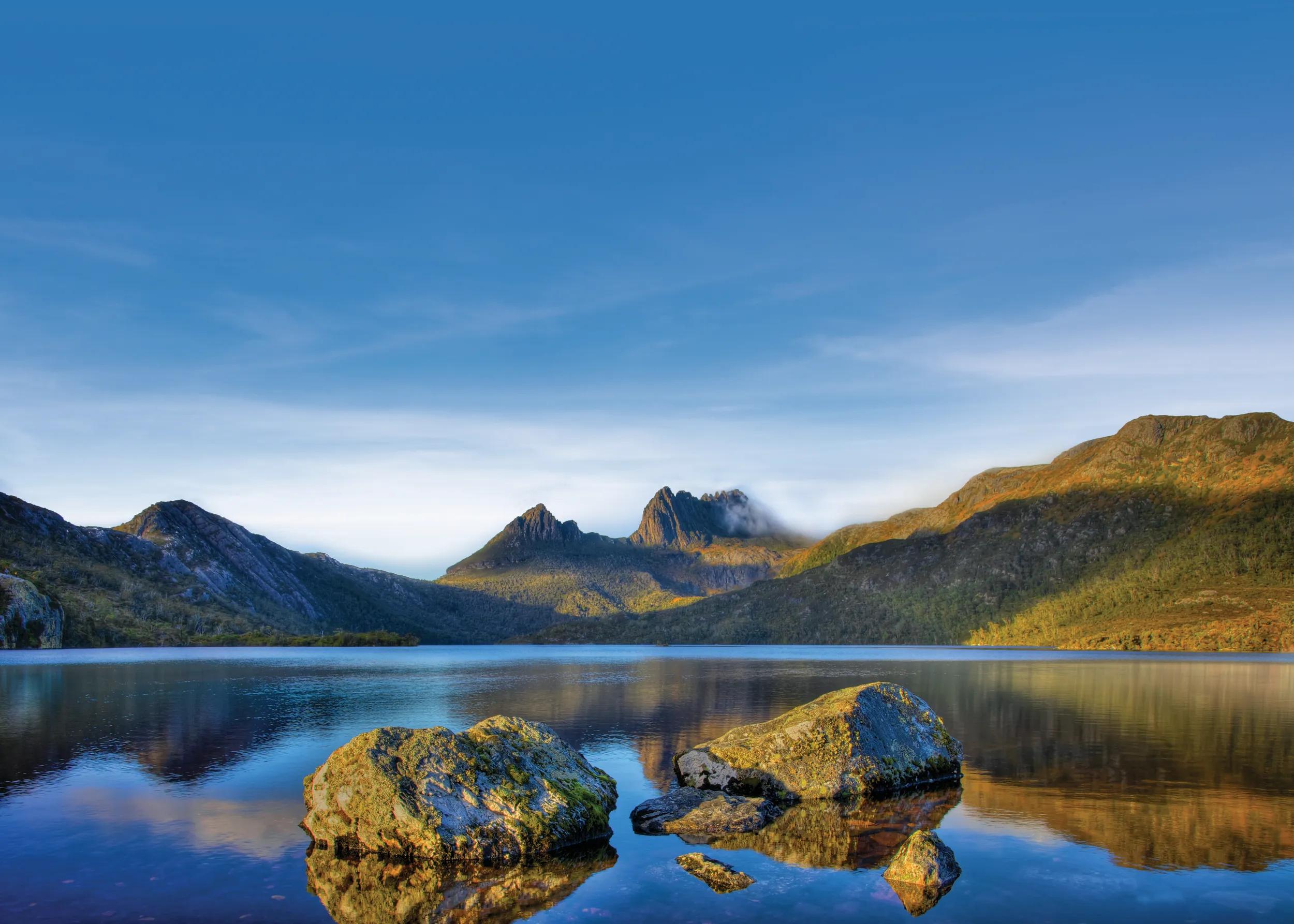
No trip to Tasmania is complete without immersing yourself in the rugged, ancient beauty of Cradle Mountain-Lake St Clair National Park. As a cornerstone of the Tasmanian Wilderness World Heritage Area, this park offers a profound connection to nature, featuring dramatic peaks, glacial lakes, and primeval rainforests. The iconic, jagged spires of Cradle Mountain dominate the landscape, providing one of Australia’s most recognisable natural vistas and making it a quintessential stop on any list of the top 10 things to do in Tasmania, Australia.
Why It’s a Must-Do
The park is a haven for walkers and nature lovers of all abilities. From gentle, wheelchair-accessible boardwalks to challenging multi-day treks, there is a trail for everyone. The diversity is staggering; you can wander through moss-covered forests one moment and gaze across vast alpine heathlands the next. It’s also a sanctuary for native wildlife, offering frequent sightings of wombats, wallabies, echidnas, and even the elusive Tasmanian devil.
Popular Walks and Hikes
- Dove Lake Circuit: This is the park’s most famous short walk. The easy, 6-kilometre loop takes about two hours and offers breathtaking reflections of Cradle Mountain in the lake’s still waters.
- Enchanted Walk: A perfect choice for families or those seeking a magical, short stroll. This 20-minute boardwalk circuit meanders through a fairytale-like rainforest along a cascading creek.
- Marion’s Lookout: For a more strenuous but rewarding half-day hike, this trail provides panoramic views over Dove Lake and the surrounding peaks. The final section is steep but well worth the effort.
Insider Tips for Your Visit
To get the most from your experience, plan ahead. The weather here is notoriously unpredictable, so dressing in layers and packing waterproof gear is essential, even on a sunny day.
Pro Tip: For the best chance of spotting wildlife like wombats and pademelons, visit in the early morning or late afternoon. The park is also less crowded during these times, allowing for a more serene experience.
Autumn (March to May) is a particularly spectacular time to visit, as the native deciduous beech, or fagus, turns vibrant shades of red and gold. Booking accommodation and any long-distance hike permits, such as for the world-renowned Overland Track, should be done many months in advance, especially for peak season travel.
2. Visit Port Arthur Historic Site
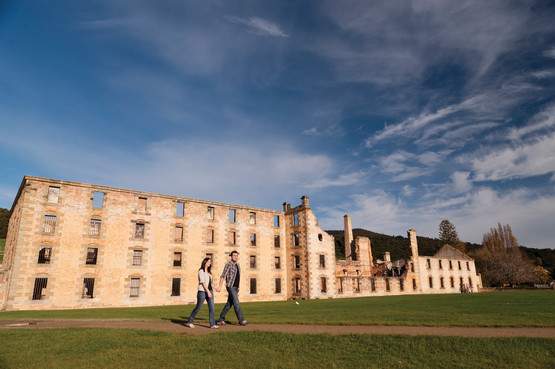
A visit to the Port Arthur Historic Site offers a profound and moving journey into Australia’s convict past. As one of the country’s most significant heritage locations and part of the Australian Convict Sites UNESCO World Heritage property, this former penal settlement tells a powerful story of hardship, endurance, and colonial history. Set against the stunning, rugged coastline of the Tasman Peninsula, the beautifully preserved ruins and restored buildings create a stark contrast between breathtaking scenery and the dark tales of the convicts imprisoned here, making it a crucial stop on any list of the top 10 things to do in Tasmania, Australia.
Why It’s a Must-Do
Port Arthur is more than just a collection of old buildings; it’s an immersive experience that brings history to life. The expansive grounds invite exploration, allowing visitors to walk in the footsteps of convicts and soldiers. The site masterfully recounts the personal stories behind the sandstone walls, offering a compelling narrative on the development of the penal system and its impact on Australian society. The combination of historical depth, dramatic landscapes, and engaging storytelling makes it an unforgettable destination for all ages.
Key Attractions and Tours
- The Penitentiary: Explore the haunting ruins of this massive four-storey building that once housed up to 480 convicts in cramped dormitories.
- The Separate Prison: Discover the chilling realities of solitary confinement, a psychological punishment method designed to reform inmates through isolation and reflection.
- Isle of the Dead Tour: Take a short cruise to the site’s cemetery island, where over 1,600 convicts, soldiers, and civilians were buried, and hear the stories of those laid to rest.
- Lantern-lit Ghost Tour: For the brave, this evening tour shares documented paranormal stories and eerie experiences from Port Arthur’s long and often tragic history.
Insider Tips for Your Visit
To truly appreciate the scale and stories of Port Arthur, allow at least four to five hours for your visit. The included introductory walking tour and harbour cruise are excellent starting points for getting oriented.
Pro Tip: Arrive early, ideally before 10:00 am, to beat the crowds from tour buses and enjoy the site with fewer people. This also provides better light for photography. Booking your entry tickets and any special tours, like the ghost tour, well in advance is highly recommended as they often sell out.
Comfortable walking shoes are a must, as the site is extensive. The Tasman Peninsula’s weather can change quickly, so packing layers and sun protection is wise. To make the most of your trip, consider combining your visit with other nearby natural wonders like Tasman Arch and Remarkable Cave. For a comprehensive overview of activities, you can learn more about what to do in Port Arthur.
3. Experience MONA (Museum of Old and New Art)
A visit to Tasmania is incomplete without descending into the subversive and brilliant world of MONA (Museum of Old and New Art). Australia’s largest privately-funded museum is a subterranean art playground carved into the cliffs of the Derwent River. Founded by gambler and art collector David Walsh, MONA shatters the mould of a traditional museum, presenting a collection that spans ancient artefacts to confronting contemporary installations, making it an unmissable part of the top 10 things to do in Tasmania, Australia.

MONA
Why It’s a Must-Do
MONA is more of an experience than an exhibition. It replaces conventional wall labels with a custom-built handheld device, ‘The O’, which provides information, artist interviews, and even David Walsh’s own musings on the art. This creates a deeply personal and interactive journey, encouraging you to form your own interpretations of works that explore themes of sex, death, and philosophy. The architecture itself is a masterpiece, designed to be explored from the bottom up.
Provocative Works and Installations
- Cloaca Professional: A famous and infamous machine by Wim Delvoye that replicates the human digestive system, turning food into faeces on a strict schedule.
- Bit.Fall: An installation by Julius Popp where falling water droplets form words sourced live from the internet, creating fleeting, computer-generated poetry.
- Snake: Sidney Nolan’s epic mural, composed of 1,620 individual paintings, creates a colossal rainbow serpent that winds through its own dedicated gallery space.
Insider Tips for Your Visit
To make the most of your day, book the MONA Roma ferry from Hobart’s Brooke Street Pier. The high-speed catamaran offers scenic views and sets the stage for the unique experience ahead. Arrive early and plan to spend at least four hours exploring.
Pro Tip: Start your journey from the bottom floor of the museum and work your way up. This follows the intended architectural flow and allows the exhibitions to unfold as the creators envisioned. Also, download ‘The O’ app to your phone before you go to save time on arrival.
MONA is an adult playground, and some artworks are confronting, so check content warnings if visiting with children. Weekdays are generally quieter than weekends. Consider splurging on lunch at The Source Restaurant or grabbing a more casual bite at the Void Bar for a truly immersive day out.
4. Hike to Wineglass Bay in Freycinet National Park
Consistently ranked among the world’s most beautiful beaches, Wineglass Bay is an essential Tasmanian experience. Located within the stunning Freycinet National Park on the island’s east coast, its perfect crescent of white sand, sapphire-blue water, and backdrop of pink-hued granite peaks create one of Australia’s most iconic and photographed landscapes. A visit here is a highlight of any Tasmanian itinerary and a deserving entry on our list of the top 10 things to do in Tasmania, Australia.

Why It’s a Must-Do
The journey to the famous lookout point is as rewarding as the destination itself. The walk takes you through coastal bushland, rich with native flora and birdsong, before opening up to the breathtaking panorama of the bay. The view from the top is simply unforgettable and offers the perfect photo opportunity. For those with more energy, the descent to the pristine beach allows you to experience its secluded beauty firsthand, a perfect spot for a picnic and a refreshing swim in the crystal-clear, albeit chilly, water.
Popular Walks and Hikes
- Wineglass Bay Lookout: The classic walk is a 1.5-hour return trip up a well-maintained but steep track, involving around 600 stairs, to the main viewing platform.
- Wineglass Bay Beach Walk: Continue from the lookout down to the sand itself. This adds about an hour to your total time, making it a 2.5-hour return walk.
- Hazards Beach Circuit: For a full-day adventure, this 5 to 6-hour loop takes you from Wineglass Bay across the isthmus to the calmer shores of Hazards Beach, offering a fantastic variety of coastal scenery.
Insider Tips for Your Visit
To truly appreciate the beauty of Wineglass Bay without the crowds, timing is everything. An early morning start not only provides softer light for photography but also ensures cooler temperatures for the uphill climb.
Pro Tip: Start your hike between 7 am and 8 am to beat the tour buses. Remember to pack at least 1.5 litres of water per person, as there are no facilities on the trail, and wear sturdy hiking shoes for the rocky sections.
Accommodation in the nearby village of Coles Bay is limited and books out months in advance, especially during summer and school holidays, so be sure to plan ahead. If the hike seems too strenuous, consider a scenic cruise that offers spectacular views of the bay from the water. Combining your visit with short walks to nearby Honeymoon Bay and Sleepy Bay will round out a perfect day in Freycinet.
5. Tour the Bay of Fires
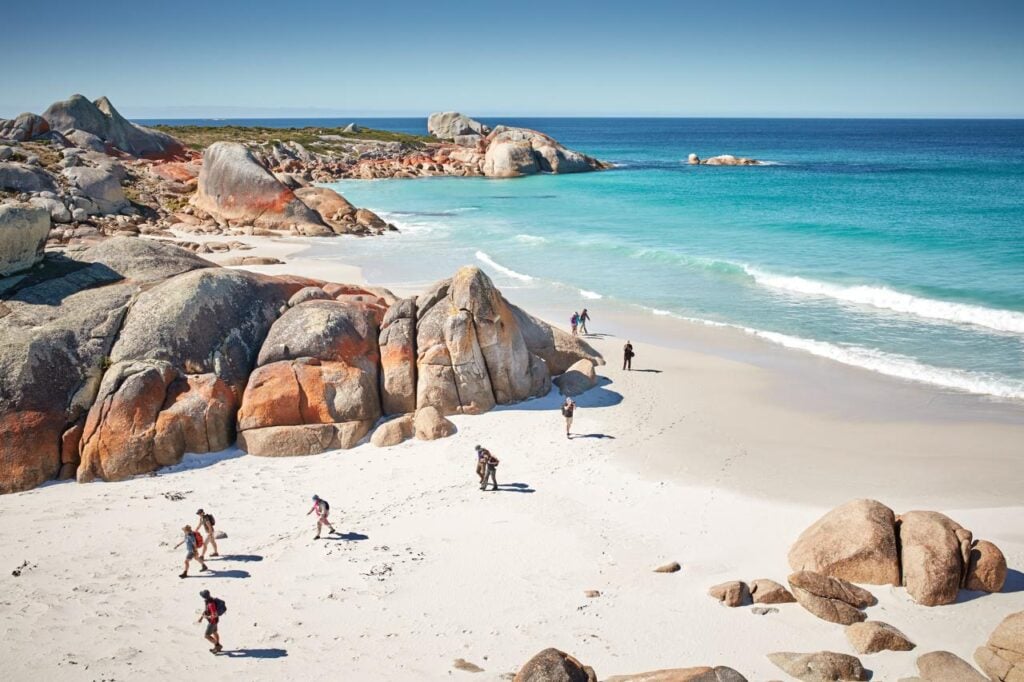
Stretching for 50 kilometres along Tasmania’s northeast coast, the Bay of Fires is a breathtaking panorama of fiery orange granite boulders, powdery white sand, and impossibly turquoise water. This coastline, named by Captain Tobias Furneaux in 1773 after observing Aboriginal fires along the shore, is a world-renowned destination for its sheer natural beauty. Its vibrant colours and pristine beaches make it a photographer’s dream and a crucial stop on any list of the top 10 things to do in Tasmania, Australia.
Why It’s a Must-Do
The Bay of Fires offers an iconic coastal experience that perfectly balances relaxation and adventure. You can spend your day hopping between secluded coves, swimming in the crystal-clear ocean, snorkelling in sheltered rock pools, or simply walking along the endless stretches of untouched beach. The area’s visual appeal is immense, with the striking contrast between the orange lichen-covered rocks and the brilliant blue sea creating a landscape found nowhere else on earth. It’s a place to connect with nature in its most vibrant form.
Popular Spots and Activities
- Binalong Bay: The southern gateway to the Bay of Fires, this area is the most accessible and offers the classic view of orange-hued boulders meeting the white sand. It’s the perfect spot for a swim or a picnic.
- The Gardens: Located further north, this area is a little more remote and offers a ruggedly beautiful coastline with excellent spots for camping, fishing, and rock-hopping.
- Eddystone Point Lighthouse: Found at the northern tip of the conservation area, this historic lighthouse provides a fantastic vantage point for sweeping coastal views and exploring nearby rock pools.
Insider Tips for Your Visit
To fully appreciate the region, allow at least a full day to explore. While summer offers the best weather for swimming, the shoulder seasons provide fewer crowds and beautiful light for photography.
Pro Tip: Visit at low tide to explore the fascinating rock pools teeming with marine life. This is also the best time for photography, as more of the iconic orange boulders are exposed. Remember to pack reef shoes for safely navigating the rocks.
Base yourself in the nearby town of St Helens for easy access to accommodation, supplies, and amenities. Be aware that most beaches within the Bay of Fires have no facilities, so bring your own food and water. Always respect the area’s rich Aboriginal heritage by not disturbing shell middens or other cultural sites.
6. See Tasmanian Devils and Wildlife at Sanctuaries
A visit to Tasmania offers a rare opportunity to meet its most famous resident, the Tasmanian Devil, in a meaningful and ethical way. Beyond this iconic marsupial, the island is teeming with unique wildlife, much of which can be seen up close at dedicated conservation sanctuaries. These centres play a vital role in protecting endangered species, particularly the devils threatened by Devil Facial Tumour Disease (DFTD). Visiting a sanctuary not only guarantees an unforgettable wildlife encounter but also supports crucial breeding and rehabilitation programs, making it a truly rewarding addition to any list of the top 10 things to do in Tasmania, Australia.
Why It’s a Must-Do
Wildlife sanctuaries provide intimate and educational encounters that are hard to come by in the wild. You can witness the feisty feeding frenzies of Tasmanian devils, hand-feed kangaroos, and see nocturnal creatures like quolls and wombats during special after-dark tours. The keepers are passionate experts who offer fascinating insights into the animals’ behaviours and the conservation efforts underway. It’s a chance to learn, connect, and contribute directly to the preservation of Tasmania’s incredible biodiversity.
Notable Wildlife Sanctuaries
- Bonorong Wildlife Sanctuary: Located just outside Hobart, Bonorong is a fantastic sanctuary focusing on animal rescue and rehabilitation. It’s an ideal spot to meet devils, wombats, and koalas.
- Devils @ Cradle: Situated at the entrance to Cradle Mountain National Park, this facility specialises in devil conservation. It’s a convenient and highly educational stop before or after your mountain hikes.
- Trowunna Wildlife Sanctuary: A pioneer in devil conservation, Trowunna in the north offers a deep dive into breeding programs and provides a home for a wide range of native species.
Insider Tips for Your Visit
To maximise your experience, check the sanctuary’s website for feeding times and keeper talk schedules before you go. These scheduled events are when the animals are most active and offer the best photo opportunities.
Pro Tip: Book any special experiences like behind-the-scenes tours or nocturnal viewings well in advance. These tours have limited spots and are incredibly popular, offering a unique chance to see animals in a more natural, active state.
Allow at least two to three hours for your visit to explore properly without rushing. The staff are a wealth of knowledge, so don’t hesitate to ask them questions about the animals and their conservation work. Learn more about where to see Tasmanian Devils in Tasmania to help plan your perfect wildlife adventure.
7. Drive the Tasman Peninsula and Explore Natural Landmarks
A journey to the Tasman Peninsula offers a powerful combination of breathtaking coastal scenery and poignant Australian history. Located just southeast of Hobart, this dramatic region is home to some of the country’s tallest sea cliffs, unique geological formations, and the infamous Port Arthur Historic Site. The drive itself is a highlight, winding through forests and along stunning coastlines, making an exploration of its natural wonders an essential part of any list of the top 10 things to do in Tasmania, Australia.
Why It’s a Must-Do
The peninsula showcases raw, untamed nature at its most spectacular. Millions of years of relentless weather have sculpted the dolerite coastline into awe-inspiring features that are both beautiful and easily accessible. It’s a place where you can stand atop a towering cliff in the morning, explore a perfectly patterned rock shelf at midday, and descend into a sea cave in the afternoon. This geological wonderland provides a stunning natural counterpoint to the area’s dark convict past.
Popular Natural Attractions
- Tessellated Pavement: Located at Eaglehawk Neck, this rare natural phenomenon features a flat rock surface fractured into remarkably regular rectangular pans. It’s an easy walk and best viewed at low tide.
- Tasman Arch & Devil’s Kitchen: These two dramatic rock formations are located close to each other. Short walking tracks lead to viewing platforms offering incredible views of the sea carving its way through the cliffs.
- Remarkable Cave: A short but steep staircase leads down to a viewing platform inside this impressive sea-worn cave, which frames a unique view of the ocean beyond.
Insider Tips for Your Visit
To truly appreciate both the natural landmarks and the historic sites, allow for a full day. The weather can change in an instant, so dressing in layers and bringing a windproof and waterproof jacket is crucial, no matter the season.
Pro Tip: For the most dramatic scenes, try visiting the blowholes and arches during or just after a storm when the swell is large. For photography, the early morning light casts a beautiful glow on the cliffs and results in fewer crowds.
Start your day at the Tessellated Pavement, the attraction closest to Hobart, and work your way south. Packing a picnic lunch is a great idea, as dining options can be limited between the main sites. Consider staying overnight in the area to explore at a more relaxed pace and fully immerse yourself in this captivating corner of Tasmania.
8. Explore Hobart’s Salamanca Market and Waterfront
A visit to Hobart isn’t complete without a Saturday morning spent at the iconic Salamanca Market. Nestled between the historic sandstone warehouses of Salamanca Place and the city’s vibrant waterfront, this bustling outdoor market is the cultural heart of Tasmania’s capital. Since 1972, it has been a lively showcase of local creativity and produce, offering everything from artisan crafts to gourmet food, making it an essential experience on any list of the top 10 things to do in Tasmania, Australia.
Why It’s a Must-Do
Salamanca Market is more than just a place to shop; it’s a sensory experience that captures the unique spirit of Tasmania. The air is filled with the sound of local buskers, the scent of freshly brewed coffee, and the chatter of over 300 stallholders. It’s the perfect place to find unique souvenirs, such as handcrafted Huon pine woodwork or local art, and to sample Tasmania’s famous produce directly from the makers.
What to Discover at the Market
- Local Produce: Indulge in Tasmanian specialities like leatherwood honey, locally made preserves, and delicious scallop pies.
- Artisan Crafts: Discover one-of-a-kind jewellery, ceramics, and textiles created by talented Tasmanian artists.
- Gourmet Food: Taste everything from freshly shucked oysters and smoked salmon to international street food like paella and dumplings.
- Drinks: Sample locally distilled gin, whisky, and cool-climate wines from across the region.
Insider Tips for Your Visit
To make the most of your market day, arrive before 9:30 am to beat the biggest crowds and find easier parking. Wear comfortable walking shoes, as you’ll likely spend a few hours exploring the stalls.
Pro Tip: Bring reusable bags for your purchases and a mix of cash and cards, as smaller vendors may prefer cash. After exploring the market, take a short, scenic walk to the historic Battery Point neighbourhood or wander down to Constitution Dock to admire the fishing boats.
Combining your market visit with a walk along the picturesque waterfront provides a perfect snapshot of Hobart’s maritime charm and history. Many of the sandstone warehouses now house galleries, cafes, and restaurants, offering plenty of options for a post-market brunch.
9. Ascend kunanyi/Mount Wellington
Towering 1,271 metres above Hobart, kunanyi/Mount Wellington is an unmissable landmark that offers one of Tasmania’s most accessible and spectacular wilderness experiences. The mountain, dual-named to honour its Aboriginal heritage, provides a breathtaking panoramic backdrop to the city. A scenic 30-minute drive from the city centre to the summit takes you through diverse ecosystems, from temperate rainforest to alpine boulder fields, making it a standout on any list of the top 10 things to do in Tasmania, Australia.
Why It’s a Must-Do
The summit of kunanyi/Mount Wellington delivers awe-inspiring 360-degree views over Hobart, the Derwent River, Bruny Island, and the vast World Heritage Area to the west. The dramatic dolerite columns and sub-alpine flora at the Pinnacle create a unique, otherworldly atmosphere. It’s a place of incredible contrasts, where you can be in a bustling city one moment and feel on top of the world the next, often with a dusting of snow underfoot even in summer.
Popular Walks and Viewpoints
- Pinnacle Summit: The easiest way to experience the view. A sealed road leads directly to a car park, with boardwalks and the Pinnacle Observation Shelter providing sheltered viewing platforms.
- Zig Zag Track: A historic and popular walking route that winds its way from the lower slopes at Fern Tree to the summit, offering continuously changing perspectives.
- The Springs: A great mid-mountain stop with barbecue facilities, a cafe, and access to several shorter walks, including the gentle Sphinx Rock Lookout trail.
Insider Tips for Your Visit
The weather on the mountain is famously fickle and can change in an instant. Always check the summit webcam and forecast before you head up, as conditions can be drastically different from those in Hobart.
Pro Tip: Bring warm, windproof, and waterproof layers, no matter how sunny it is in the city. The summit is often 10-15°C colder, and the wind chill can be intense. Visiting for sunrise or sunset offers the best light for photography and a truly magical experience.
For those wanting to tackle the trails, Wellington Park has a network of tracks for all fitness levels. If you prefer a guided experience without the hassle of driving, consider a tour. You can learn more about how to hike Mt Wellington on a guided tour for a safe and informative adventure. Remember, there are no services on the mountain, so fuel up your car and pack snacks and water in Hobart.
Ready to Experience Tasmania’s Best? Let Us Guide You.
From the ancient, jagged peaks of Cradle Mountain to the profound, haunting history of Port Arthur, Tasmania is an island that captures the imagination and stirs the soul. This guide has walked you through ten of the most iconic experiences, painting a picture of a land where wild nature, innovative art, and rich history converge. We’ve explored the pristine sands of Wineglass Bay, marvelled at the vibrant orange lichen of the Bay of Fires, and delved into the eccentric genius of MONA. Each destination offers a unique window into the heart of the Apple Isle.
You now have the essential insights to start planning: the best times to visit for ideal weather and fewer crowds, practical tips for navigating national parks, and a taste of the local culture waiting to be discovered at places like Salamanca Market. We’ve highlighted the importance of pre-booking your Port Arthur tickets to avoid disappointment and shared the simple joy of a ferry ride to MONA, which turns the journey itself into part of the adventure. These aren’t just entries on a list; they are invitations to create lasting memories.
Turning Inspiration into Your Itinerary
The true magic of Tasmania lies in how these incredible experiences connect. Imagine a journey where you start your day with a breathtaking sunrise from kunanyi/Mount Wellington, spend the afternoon browsing artisanal crafts at Salamanca, and end with a world-class culinary experience on Hobart’s waterfront. Or picture a multi-day adventure, driving the stunning Tasman Peninsula to see natural wonders like the Tasman Arch before immersing yourself in the stories of Port Arthur. This is the essence of exploring the top 10 things to do in Tasmania, Australia; it’s about weaving individual highlights into a seamless and unforgettable narrative.
Of course, planning a trip that covers so much ground can feel daunting. Juggling transport, accommodation, park passes, and tour bookings requires careful coordination and local knowledge. This is where a well-structured plan becomes invaluable. The principles of creating a clear, comprehensive itinerary are similar to those involved in other forms of expert guidance; for instance, you can see the same logic in action when learning about crafting a standout guide for a holiday property, where clarity and thoughtful organisation are key to a fantastic experience.
Let Us Handle the Details
Why spend your precious time on logistics when you could be dreaming of your next adventure? At Tasmania Tours, our entire focus is on transforming these top Tasmanian highlights into perfectly curated, stress-free holidays. We specialise in small-group tours led by passionate local guides who live and breathe Tasmania. They don’t just take you to a location; they share its stories, reveal its hidden gems, and ensure you experience its true character.
Our all-inclusive itineraries cover everything from comfortable transport and carefully selected accommodation to all entry fees and park passes. Whether you’re a solo traveller eager to connect with like-minded explorers, a couple seeking a romantic and adventurous getaway, or a family wanting to create shared memories, we have a tour designed for you. You can experience the best of Tasmania without the hassle of driving, navigating, or managing bookings. Your only job is to relax, explore, and soak in every incredible moment. Don’t just read about the top 10 things to do in Tasmania, Australia; come and live them with us.
Ready to explore the wonders of the Apple Isle without the stress of planning? Let Tasmania Tours guide you on an unforgettable journey through the island’s most iconic landscapes and attractions. Discover our expertly crafted itineraries and book your adventure today at Tasmania Tours.