

Why travel is good for you (and why Tasmania makes it surprisingly easy)
2 February 2026
You know that feeling where life isn’t “bad”… it’s just loud? The calendar’s full, your brain’s doing 17 tabs at once, and even your weekends feel like admin.
Travel doesn’t magically fix everything. But it might give you something most of us are short on: a clean break in attention, a different rhythm, and enough newness to make your mind wake up again.
Here’s why travel can be good for you—without pretending it’s a cure-all—and how to actually make it happen in a way that feels effortless (especially with guided tours in Tasmania).
1) Travel interrupts the “default settings” your brain slips into
At home, your days run on muscle memory: same routes, same cues, same problems that feel oddly sticky. A trip changes the inputs.
Even small changes—new scenery, unfamiliar streets, different meal times—can nudge your brain out of autopilot. I can’t promise enlightenment, but there’s a decent chance you’ll notice things again: your breathing, your appetite, even what you’ve been tolerating without realising.
If you’re craving that reset, a nature-heavy itinerary helps. Research on nature exposure links time in natural environments with a range of mental and physical health benefits, though the mechanisms are still being untangled. Read the research summary.

Try this in Tassie:
- Cradle Mountain for alpine air, quiet trails, and that “oh right, the world is bigger” feeling. The Parks & Wildlife Service notes it sits within the Tasmanian Wilderness World Heritage Area. See details.
- Browse Cradle Mountain tours
2) Anticipation can be its own mood-lifter
This one’s underrated: having something genuinely enjoyable on the horizon can change how a normal Tuesday feels.
It’s not the same for everyone, obviously. But if your weeks blur together, planning a trip can create a “line in the sand” between now and then—something your brain can lean toward.
(And yes, I’m aware planning can also be stressful. We’ll fix that part in a second.)
3) You move more, almost by accident
A lot of travel is “incidental movement”: walking to viewpoints, wandering markets, and climbing a few steps without negotiating with yourself first.
That matters because movement and mood are linked in ways that don’t require you to become a fitness person. In Tasmania, the scenery quietly tempts you to move—without the gym soundtrack.
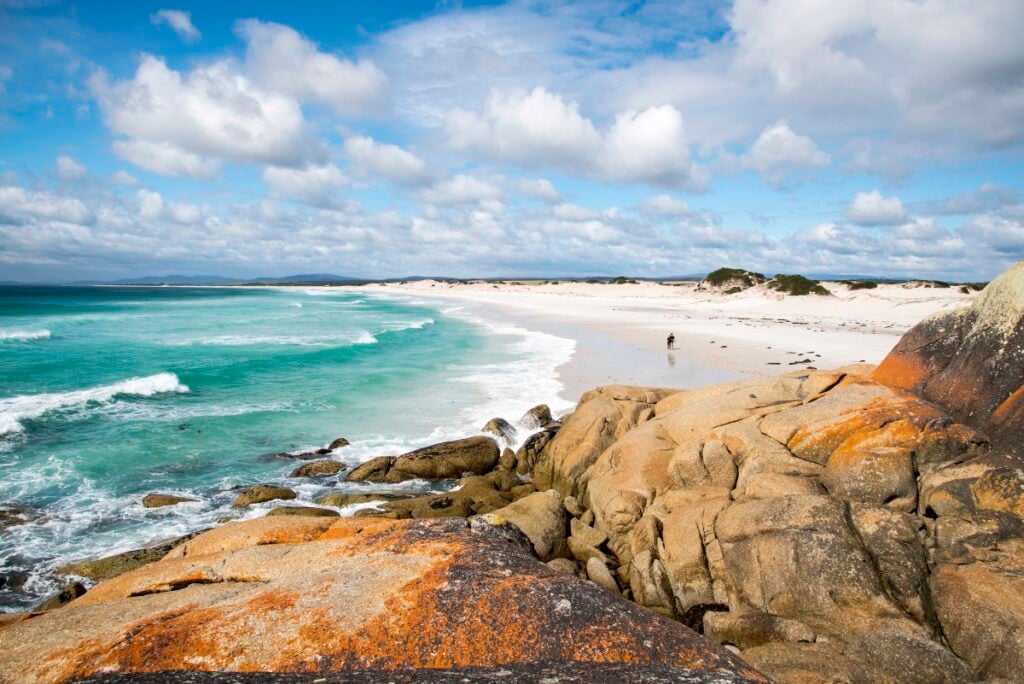
Try this in Tassie:
- Bay of Fires for beach walks that feel more like therapy than exercise. Discover Tasmania describes the area as white-sand beaches and granite boulders splashed with orange lichen. Read more.
- Book a Bay of Fires day tour
4) Nature + novelty can lower stress (not perfectly, but often)
There’s evidence that leisure travel is associated with improvements in wellbeing, including stress-related measures, especially when it includes nature and activity. See the study.
Still, a useful reality check: the positive effects of a holiday can fade once you’re back in the inbox. A meta-analysis found vacations tend to improve health and wellbeing with small effects that often diminish after returning to work. See the review.
That’s not a reason not to travel. It’s more like… a hint to travel in a way that gives you something to keep.
A simple way to make it stick: Pick one “carry-home habit” from your trip: a morning walk, a phone-free dinner, or a weekly mini-adventure. One thing. Not a personality transplant.
5) Travel can give you perspective without forcing a big life overhaul
Sometimes you don’t need a dramatic change. You need space—literal and mental—to hear yourself think.
Australia-wide, plenty of people report feeling rushed or pressed for time. The Australian Bureau of Statistics has recent data on this. Explore the ABS release.
If that’s you, travel can be a circuit-breaker: a different pace, fewer obligations, and more moments where you’re just… there.
6) When you don’t have to plan every detail, travel becomes genuinely restorative
Here’s the part I’ll say plainly: the trip is usually better when you’re not spending it navigating parking, routes, booking windows, and “Are we doing this right?”
That’s why small-group Tasmania tours are a sweet spot for a lot of travellers—especially seniors, solo travellers, and anyone who likes a plan but not the hassle.
With Tasmania Tours, you can choose the style that suits you: day tours, multi-day journeys, and routes that stitch together the icons without the logistical headache.
Easy options to start with:
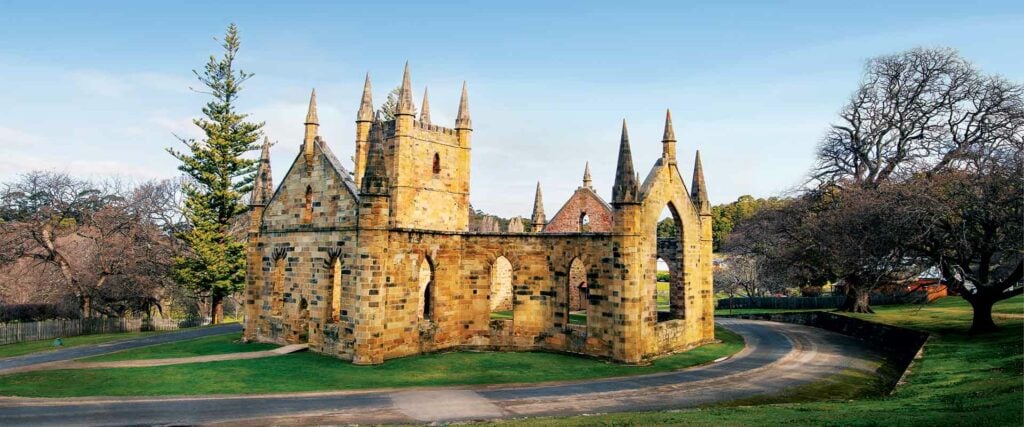
A quick note on Port Arthur: stories that actually stay with you
Port Arthur Historic Site isn’t just “some old ruins”. It’s one of Australia’s most significant convict-era sites, and it’s UNESCO-listed as part of the Australian Convict Sites serial property. Port Arthur Historic Site (official).
Helpful official reads (external):
So… is it time to book something? Maybe.
If you’ve been waiting for a “perfect” time to travel, I’m not sure it shows up on its own. But a well-planned, well-paced trip—especially one that gets you into Tassie’s wild places—could be the nudge your mind and body have been asking for.
Start here: Find your best-fit Bay of Fires itinerary (then choose the tour style that matches your pace).