

Bay of Fires Tasmania: Discover the East Coast Best Spots
29 October 2025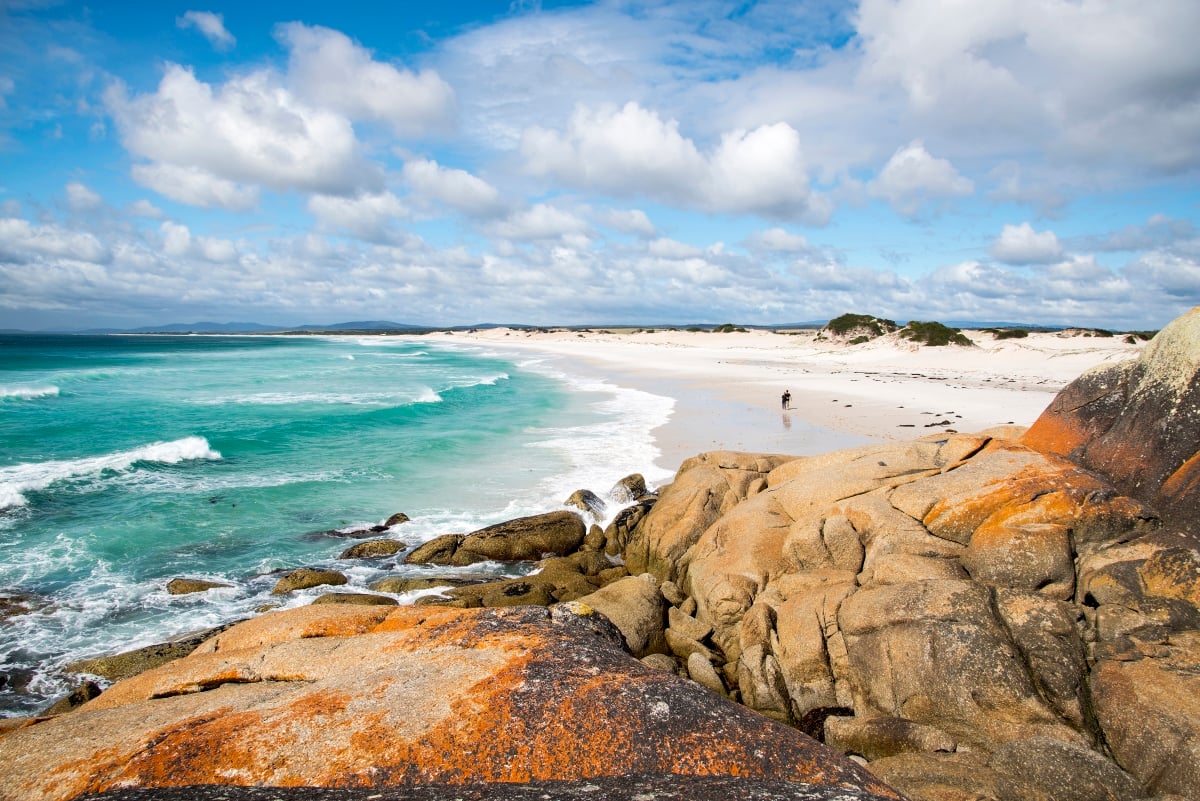
Imagine a coastline where brilliant white sand meets unbelievably turquoise water. Now, picture that scene framed by giant granite boulders that seem to glow with a fiery orange hue. That’s the Bay of Fires Tasmania for you—one of Australia’s most spectacular natural wonders and a place that genuinely deserves its spot on any travel bucket list.
Why This Tasmanian Gem Captures Every Visitor’s Heart
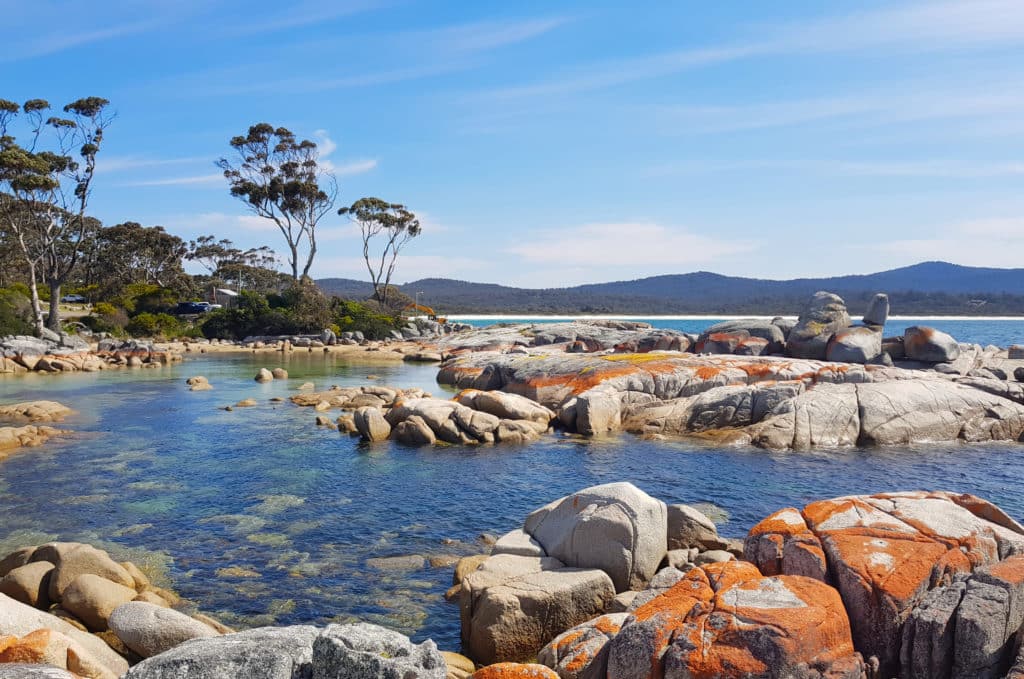
The Bay of Fires isn’t just one spot; it’s an entire coastal region that feels almost otherworldly. It’s a place where nature has painted its masterpiece, offering the perfect mix of peaceful relaxation and exciting adventure. Let this guide be your map to an incredible journey.
Think of this coastline as nature’s own art gallery. The stunning contrast between the fiery orange rocks, the pure white sand, and the crystal-clear water creates a visual you won’t find anywhere else. It’s this unique combination that has people calling it one of the most beautiful places on Earth.
Understanding the Area
Stretching for 50 kilometres along Tasmania’s rugged northeastern coast, the Bay of Fires runs all the way from Binalong Bay in the south to Eddystone Point in the north. This whole stretch is dotted with one perfect beach after another, each with its own secluded coves and unique charm.
Consider this guide your personal planner for the perfect trip. We’ll show you what makes this place so special, from its iconic beaches to the story behind those famous orange rocks. You’ll quickly see why it’s a non-negotiable stop on any Tassie itinerary. The real magic of the Bay of Fires is its raw, untouched beauty. It’s a place that forces you to slow down, breathe in the salty air, and just be present in the stunning natural surroundings.
To get you started, here are a few things that truly define the Bay of Fires experience:
- Iconic Scenery: Those famous orange-lichen-covered granite boulders are the area’s signature feature. You’ll find endless photo opportunities.
- Pristine Beaches: You’re looking at some of the whitest sand and clearest water in Australia, perfect for a swim, a snorkel, or just kicking back.
- Abundant Wildlife: Keep your eyes peeled for dolphins cruising the bays, sea eagles circling overhead, and native Tasmanian wildlife rustling in the coastal bush.
By the time you’re done with this guide, you’ll have a great feel for the area and its must-see spots, and you’ll be more than ready for your own adventure.
The Story Behind Those Orange Rocks
The first thing that hits you at the Bay of Fires Tasmania is the colour. It’s an intense, almost fiery orange splashed across the giant granite boulders, and it’s what makes this coastline so unforgettable. Most people think the rocks themselves are orange, but the real story is way more interesting—a little lesson in nature’s artistry.
This region is famous for its stunning combination of sugar-white beaches and turquoise water. But the orange-hued boulders are the real stars of the show. Their vivid colour comes from a lichen that completely covers their surfaces, a detail that makes this part of the world utterly unique.
This natural masterpiece is all thanks to a symbiotic relationship. The orange coating is a type of lichen, which is a cool little organism made up of algae and fungi living together as a team. The granite gives them a stable home, and the lichen absolutely loves the clean, salty air along the Tassie coast.
So, What Exactly Is Lichen?
Think of lichen as nature’s very own brand of slow-growing, super-tough paint. It’s not a plant but a partnership, and it can survive in harsh places where most plants would give up.
The fungus creates the structure and offers protection, while the algae acts like a tiny solar panel, using photosynthesis to make food for both of them. This incredible teamwork allows the lichen to grip the sun-baked granite, slowly building up that brilliant orange colour over thousands of years. The end result is the breathtaking, fiery coastline that the Bay of Fires is known for.
The Real Story of the Name
Now, here’s a twist. While the rocks certainly look like they’re on fire, especially at sunrise and sunset, that’s not actually how the bay got its name. This is a common mistake that catches most visitors by surprise. The true origin story connects this place to a deep human history, adding a whole other layer to its magic.
The name “Bay of Fires” was actually coined by Captain Tobias Furneaux in 1773. As he sailed past, he saw countless fires lighting up the shoreline.
These weren’t wildfires. They were the campfires of the local Aboriginal people, the Palawa. Captain Furneaux’s name for the bay is a direct nod to the human presence that has thrived here for thousands of years.
Knowing this completely changes how you see the landscape. When you’re standing there admiring the view, you’re not just looking at pretty rocks and beaches; you’re seeing a coastline with a profound cultural story etched into it.
This double narrative—the scientific wonder of the lichen and the deep historical meaning of the name—is what makes the Bay of Fires Tasmania so powerful. It’s a place where incredible natural beauty and human history meet, offering a connection that goes far beyond a simple photo opportunity.
When to Go and What to Expect
Timing is everything, and that’s especially true for a trip to the Bay of Fires. Every season brings out a different side of this incredible coastline, from sun-drenched beach days to dramatic, moody landscapes. Whether you’re after a classic summer holiday or a quiet winter escape, there’s a perfect time for you to visit.
While Tasmania’s weather is notoriously unpredictable, the East Coast is generally sunnier and milder than the rest of the island. Still, it’s always a good idea to pack for four seasons in one day, just in case! Let’s break down what each time of year feels like.
Summer: Sunshine and Outdoor Adventures
From December to February, summer is prime time at the Bay of Fires, and for good reason. The days are long, sunny, and warm, with average temperatures sitting between a pleasant 12°C and 24°C. This is the season for jumping into those impossibly turquoise waters.
The beaches are buzzing with life as people swim, sunbathe, and kayak through the calm coves. If you want that iconic Aussie beach experience against a world-class backdrop, summer is your season. To make your beach days a breeze, it’s worth packing smart with essentials like lightweight, quick-drying beach towels.
Just remember, this is peak tourist season. You’ll need to book your accommodation well in advance to avoid disappointment, and the popular spots will be busy.
Autumn: Fiery Colours and Peaceful Trails
Once March rolls around, the summer crowds start to disappear, revealing a much quieter, more peaceful Bay of Fires. Autumn (March to May) brings mild days that are absolutely perfect for hiking and photography. The softer light seems to make the orange lichen on the rocks glow even more intensely.
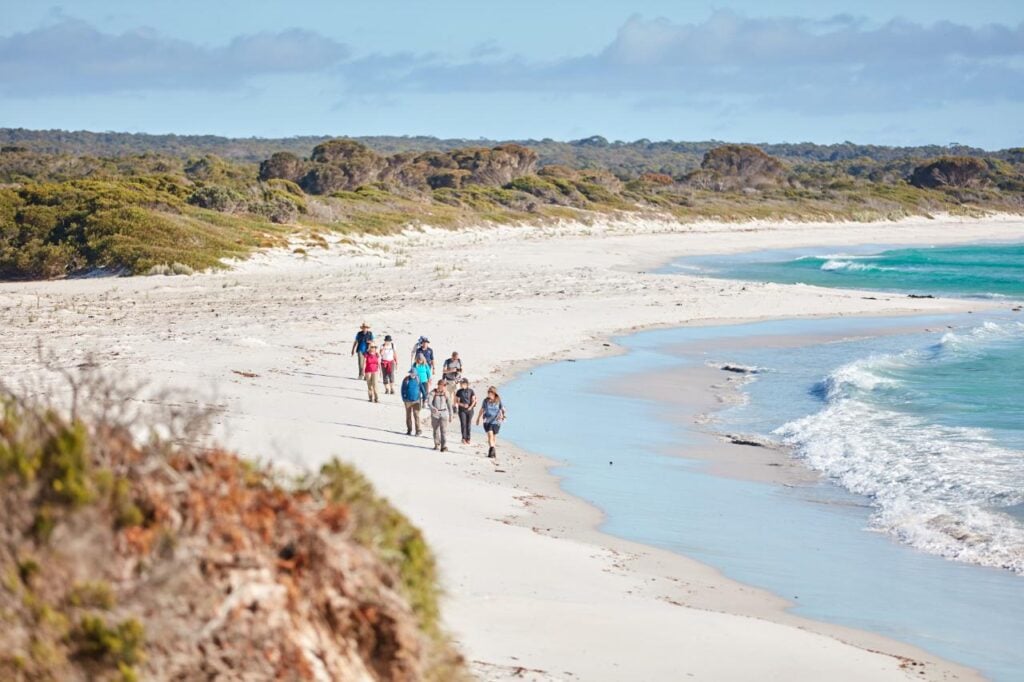
This is a photographer’s dream season. The crisp air and empty beaches mean you can capture those stunning, uninterrupted shots you’ve seen in pictures. It’s also the ideal time for long walks along the coast, letting you explore the chain of beaches without the intense summer sun beating down.
Winter and Spring: A Time for Renewal
Winter (June to August) is when the Bay of Fires shows its wild, dramatic side. It’s the quietest time of year, with chilly temperatures that are perfect for bracing walks along deserted beaches before cosying up by a fire in the evening.
As spring arrives (September to November), the whole landscape comes alive again. Wildflowers start to pop up in the coastal heath, adding beautiful splashes of colour. The days get warmer, but the big crowds haven’t returned yet, making it a fantastic time for wildlife spotting and just enjoying the feeling of a place reawakening. For a deeper dive into Tassie’s seasons, check out our guide on the best time to travel Tasmania.
Bay of Fires Seasonal Activity Guide
To help you decide, here’s a quick breakdown of what to expect throughout the year.
| Season | Average Temperature (°C) | Best Activities | Travel Considerations |
|---|---|---|---|
| Summer | 12°C – 24°C | Swimming, snorkelling, kayaking, sunbathing | Peak season; book accommodation far in advance. Crowded. |
| Autumn | 9°C – 20°C | Hiking, photography, coastal walks | Fewer crowds, pleasant weather, beautiful light. |
| Winter | 6°C – 15°C | Scenic drives, beachcombing, relaxing by a fire | Quietest season, cheapest rates. Prepare for cold weather. |
| Spring | 8°C – 18°C | Wildflower viewing, wildlife spotting, hiking | Shoulder season; good balance of weather and crowd levels. |
No matter when you decide to go, the Bay of Fires has a unique magic to share. It’s all about matching the season to the kind of experience you’re looking for.
Top Spots You Cannot Miss
The Bay of Fires isn’t a single spot on a map, but a glorious stretch of coastline packed with hidden coves, breathtaking beaches, and lookouts that will have you reaching for your camera. While you can’t go wrong just by showing up, a few key places really capture the soul of the region. Knowing where to point your car will turn a good trip into an unforgettable one.
Think of your journey as a scenic drive with incredible pit stops. Most people start in the south and meander north, discovering a string of white-sand beaches, each with its own personality. From the famous Binalong Bay to the wild beauty of The Gardens, here are the absolute must-see highlights.
Binalong Bay: The Southern Gateway
Binalong Bay is the classic starting point for any Bay of Fires adventure, and for good reason. It’s the perfect introduction. This little coastal village is where you first lay eyes on the brilliant white sand and ridiculously blue water, all framed by those iconic, orange-stained granite boulders.
The main beach is fairly protected, making it a fantastic spot for a swim or a gentle paddle. You’ll see families splashing in the calm water and photographers lined up to get that classic Bay of Fires shot. It’s postcard-perfect.
What makes Binalong Bay so great is its accessibility. You get the full, jaw-dropping Bay of Fires experience literally steps from your car. It’s perfect for everyone, no matter their age or fitness level.
This place is also steeped in history. The name itself dates back to 1773, when Captain Tobias Furneaux sailed past and saw the fires of the local Aboriginal people lighting up the shoreline at night. It’s a powerful reminder that this landscape has a story that goes back millennia.
The Gardens: A Photographer’s Dream
Keep driving north from Binalong Bay and you’ll find a place called The Gardens. Don’t let the name fool you—this isn’t a manicured park. It’s a wild, rugged, and utterly spectacular section of the coast where the orange-hued boulders are at their most dramatic. This is where the landscape feels truly raw and untouched.
The scenery is simply magnificent. Giant granite rocks look like they’ve tumbled into the sea, creating a whole series of tiny, private coves. You could easily lose a few hours here, just clambering over the boulders, exploring rock pools, and finding your own little slice of paradise. For photographers, The Gardens is pure magic.
Must-Visit Beaches Along the Way
Tucked between Binalong Bay and The Gardens are a handful of beaches that are just as beautiful but often have far fewer people. It’s well worth taking the time to explore these hidden gems.
- Jeanneret Beach: Getting here involves a short drive down an unsealed road, but your reward is a picture-perfect cove you might just get all to yourself. It’s stunning.
- Swimcart Beach: This is one of the most popular spots for free camping, and it’s easy to see why. Swimcart is a long, sweeping stretch of sand that’s perfect for a walk, and the water is crystal clear and inviting.
- Cosy Corner: Just as the name suggests, this spot offers a lovely sheltered corner for a picnic or a dip. It’s split into a north and south section, and both deliver those classic Bay of Fires views.
It’s no surprise that many of these are considered among the best beaches in Tasmania. Each one gives you a slightly different taste of this incredible coastline, letting you find your own favourite spot away from the crowds.
How to Build Your Perfect Itinerary

How much time have you got? That’s really the only question that matters when you’re planning a trip to the Bay of Fires. Whether you’re popping in for a day or settling in for a week, figuring out a rough plan will help you see the best of this coastline without that dreaded feeling of being rushed off your feet.
The beauty of this place is its flexibility. You can do a quick highlights reel or a slow, immersive deep dive. A good itinerary simply helps you mix the must-see spots with those quiet, unexpected moments of discovery, so you leave feeling like you’ve truly experienced it.
The Perfect Day Trip
Only have one day? You can still capture the magic. A day trip is all about an early start and a smart plan, hitting the most spectacular and easy-to-reach spots to make every minute count.
Kick things off at Binalong Bay, the southern entrance to this coastal wonderland. This is where you’ll get that first “wow” moment—the brilliant white sand, the impossible turquoise water, and those world-famous, lichen-covered orange rocks. Give yourself an hour or two here to snap photos, feel the icy water on your toes, and just soak it all in.
From there, it’s time to head north along the scenic coastal road toward The Gardens. Honestly, the drive itself is part of the adventure, with plenty of spots to pull over for a stunning photo. Make a stop at Swimcart Beach for a walk along the sand before pushing on. Once you reach The Gardens, spend the afternoon climbing over the giant boulders and finding little hidden coves. It’s the perfect snapshot of the whole region.
A Relaxing Weekend Escape
With two full days, you can finally slow down and sync up with the laid-back rhythm of Tassie’s East Coast. This gives you enough breathing room for more exploring, some serious relaxing, and a chance to check out the local scene.
Day 1: Coastal Immersion
Your first day is all about the main event. You can follow the day-trip route, just without the clock-watching. Linger at Binalong Bay, maybe go for a proper swim, or pack a picnic to enjoy on the beach. In the afternoon, give The Gardens the time it deserves. Scramble over the rocks, find your own private perch, and just watch the waves roll in.
Day 2: Local Discovery
Use your second day to see what’s going on in the area. St Helens, the biggest town nearby, is the perfect starting point. Grab a great coffee, wander through the shops, and get a feel for the fishing-town atmosphere. Later, you could tackle a short coastal walk or even head back to your favourite beach from the day before for one last look.
The Ultimate Multi-Day Adventure
If you’ve got three days or more, the Bay of Fires really opens up. A longer stay means you can get beyond the main attractions and uncover some of the region’s hidden gems without ever feeling rushed.
- Days 1-2: Ease into your trip by following the weekend itinerary. This covers all the essentials from Binalong Bay to The Gardens.
- Day 3: Time to mix it up. Head over to the Peron Dunes near St Helens for a completely different coastal vibe, or seek out a quiet patch of sand at a spot like Jeanneret Beach for a peaceful afternoon.
- Day 4 onwards: Use the extra time to explore more of the East Coast. The incredible views at Freycinet National Park or the charming little town of Bicheno are both great day-trip options and well within reach.
- A longer stay changes everything. Your visit goes from being a sightseeing trip to a proper holiday. You have the freedom to be spontaneous, to fall in love with one beach and spend the whole day there, or to just do nothing at all and let the place work its magic.
Let Us Handle the Planning
Want all of the beauty with none of the logistical headaches? Our guided tours are designed to fit your timeline, whether you have a single day or a whole week to spare. We sort out the details so you can just focus on the breathtaking views.
When you join a tour, you’re also getting insider knowledge from local guides who know the best photo ops, the quietest beaches, and the stories behind the landscape. For a smooth and memorable adventure, learn more about our expertly designed Bay of Fires tour. It’s the easiest way to make sure you see the absolute best of this stunning destination.
Where to Stay and Eat Nearby
After a day spent scrambling over those incredible orange-lichened rocks, you’ll be ready for a great meal and a comfy bed. The two main spots to base yourself are Binalong Bay and St Helens, and each offers a completely different vibe for your stay.
St Helens is the biggest town on Tasmania’s northeast coast, so it’s your go-to for practicalities like supermarkets, petrol stations, and a wider variety of shops. Binalong Bay, on the other hand, is a tiny, sleepy settlement right at the southern edge of the Bay of Fires conservation area. It’s all about being immersed in that stunning coastal scenery.
Top Spots to Stay
Whether you’re after a five-star retreat tucked away in the bush or a simple spot to park your caravan, you’ll find something that fits the bill.
- Binalong Bay: If you want to wake up, walk outside, and be right there—with the white sand and turquoise water just steps away—this is the place. It’s mostly holiday homes and charming cottages, many with spectacular views. Perfect for a quiet, romantic escape.
- St Helens: This is the practical choice. You’ll find a much bigger range of motels, holiday parks, and larger rentals here. It’s a fantastic base if you like having cafes and other conveniences on your doorstep after a long day of sightseeing.
- Your choice really comes down to what you’re looking for. Binalong Bay is for pure immersion in nature. St Helens is for convenience and a bit more buzz.
A Taste of the East Coast
Let’s be honest, half the reason to visit Tasmania is for the food! The East Coast is legendary for its produce, especially its world-class seafood. You simply can’t leave without trying some.
St Helens is where you’ll find the best selection of places to eat. There are great little cafes for a morning flat white and a hearty breakfast, classic pubs for a solid counter meal, and restaurants that really show off what the local fishermen are catching.
For the real deal, find a local seafood joint. There’s nothing better than tucking into freshly shucked oysters or a massive parcel of fish and chips while watching the boats bob in the harbour. Many places here live by a “wharf to plate” philosophy, meaning the fish on your plate was probably swimming in the ocean that very morning. Whether it’s a gourmet meal or a casual takeaway on the beach, the food here is an experience in itself.
Got Questions? We’ve Got Answers
Planning a trip to a place as beautiful as the Bay of Fires always brings up a few questions. To make your planning a breeze, we’ve answered some of the most common things travellers ask us.
Let’s get the practical stuff sorted so you can focus on the incredible scenery waiting for you.
Do I Need a 4WD to Explore the Bay of Fires?
Good news! A 4WD is not necessary to get to the main sights. The roads out to popular spots like Binalong Bay and The Gardens are sealed and totally fine for a standard 2WD car.
All the famous beaches and lookout points are easy to get to, so you won’t miss out on the best of the region without an off-road vehicle.
Is It Safe to Swim in the Bay of Fires?
Yes, swimming is one of the best things to do here! The water is crystal clear and inviting, especially in the calm, sheltered coves. Just be ready for it – it can be quite chilly, even in the middle of summer. That’s the Southern Ocean for you!
For the safest and most enjoyable dip, stick to protected spots like Binalong Bay and Swimcart Beach. And like anywhere, always keep an eye on the conditions and be aware of your surroundings.
How Much Time Should I Spend There?
You could race through the highlights in one very busy day, but to really soak it all in, we recommend spending at least two to three days.
This gives you enough time for relaxed coastal walks, plenty of swimming, and the freedom to explore different beaches without feeling rushed. It turns a quick look into a proper, unforgettable getaway.
Are There Guided Tours Available?
Absolutely, and seeing the Bay of Fires Tasmania with a local guide is one of the best ways to experience it. Our guided tours offer stories and insights you’d otherwise miss and take you straight to the most stunning spots.
We look after all the details – the transport, the timing, everything – so you can just sit back and take in the view. We’ve got a bunch of different tours to suit what you’re looking for, making your trip as easy as it is memorable.
Ready to see this breathtaking coastline without the stress of planning it all yourself? At Tasmania Tours, we create incredible journeys through the Bay of Fires and beyond. Check out our expertly designed trips and find your perfect Tasmanian adventure at https://tasmaniatours.com.au.
