

Your Guide to the 3 Capes Walk in Tasmania
29 October 2025
The 3 Capes Walk is one of Tasmania’s premier hiking experiences, a four-day, three-night adventure across the breathtaking Tasman Peninsula. You’ll cover 48 kilometres of world-class coastal track, taking in some of the highest sea cliffs in the Southern Hemisphere. It’s famous for its beautifully maintained paths and surprisingly comfortable eco-huts.
Your 3 Capes Walk Adventure: What to Expect
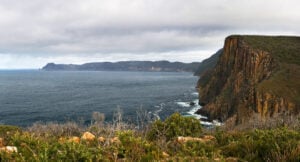
By JJ Harrison (https://www.jjharrison.com.au/) – Own work, CC BY-SA 3.0, https://commons.wikimedia.org/w/index.php?curid=7251815
Get ready for an incredible journey into one of Australia’s most spectacular landscapes. The 3 Capes Walk is more than just a hike; it’s a fully immersive experience that starts before your boots even touch the trail. It all kicks off with a scenic boat cruise from Port Arthur, where you’ll glide past immense dolerite columns and rugged sea stacks.
This trek has been thoughtfully designed to lead you through diverse environments, from windswept coastal heathlands to dense eucalypt forests. At the end of each day, you’ll arrive at a comfortable, architecturally designed public hut to rest and share stories with fellow walkers. Best of all, these huts mean you don’t need to lug a tent or cooking stove, making the walk accessible to a much wider range of hikers.
Key Highlights of the Walk
Each day on the track reveals something new, with countless moments that will simply take your breath away. As you make your way along the trail, you’ll get to experience:
- Dramatic Scenery: Witness the raw power of the Southern Ocean as it crashes against the sheer cliffs of Cape Pillar and Cape Hauy.
- Unique Flora and Fauna: Keep your eyes peeled for local wildlife. Echidnas and wallabies are common sightings, along with a huge variety of birdlife.
- Purpose-Built Huts: Enjoy the simple comforts of the Surveyors, Munro, and Retakunna huts, each offering spectacular views and a warm, friendly atmosphere.
The journey is designed to be just as memorable as the destinations. By blending incredible natural beauty with thoughtful infrastructure, the 3 Capes Walk delivers a truly premium hiking experience without losing that essential sense of wildness.
Before we dive into the day-by-day itinerary and gear lists, here’s a quick summary of the key details to help you get a feel for the trek.
3 Capes Walk at a Glance
| Feature | Details |
|---|---|
| Location | Tasman Peninsula, Tasmania, Australia |
| Distance | 48 kilometres (30 miles) |
| Duration | 4 days / 3 nights |
| Difficulty | Moderate (well-maintained track) |
| Start/End Point | Port Arthur Historic Site |
| Accommodation | Public eco-huts (Surveyors, Munro, Retakunna) |
| Group Size | Capped at 48 walkers per day |
| Booking | Essential, often booked months in advance |
This table gives you the essentials, but the real magic is in the details. Let’s get into what makes this hike so special.
A World-Class Hiking Experience
Since it officially opened on 23 December 2015, the 3 Capes Walk has cemented its reputation as one of Australia’s must-do hikes. The route showcases three spectacular capes—Cape Raoul, Cape Pillar, and Cape Hauy—along a path built for immersion, not just transit. To protect the fragile environment and ensure everyone has a fantastic experience, Tasmania Parks & Wildlife Service caps walker numbers at just 48 people per day. This small detail makes a huge difference.
Choosing the right time for this adventure is key, as Tassie’s weather can make or break a trip. For a deep dive into weather patterns and seasonal highlights, check out our guide on the best time to travel to Tasmania. It’ll help you pick a departure date that suits your style, whether you’re after long summer days or the crisp, clear air of autumn.
Getting Your Trip Locked In: Bookings and Logistics
Getting your spot on the 3 Capes Walk is the first real step, and honestly, a bit of forward planning here goes a long way. This walk is incredibly popular, especially over summer, so booking well ahead is the key to snagging the dates you actually want.
The best time to go? Most people aim for December to February when Tassie’s weather is at its most reliable and warm. But don’t discount the shoulder seasons. Spring (September–November) brings stunning wildflowers, and autumn (March–May) often has those perfect, crisp, still days with far fewer people on the track.
How to Book Your Walk
All self-guided treks are booked directly through the official Parks Tasmania website. It’s a pretty simple process: you’ll pick a start date, list the names of everyone in your group, and choose your boat departure time for Day 1 and your bus return on Day 4.
My advice? Have all this info handy before you even open the website. It just makes the whole thing smoother and saves you from scrambling to confirm details while the booking page is open.
What Your Fee Actually Covers
The cost for the 3 Capes Walk isn’t just for putting one foot in front of the other; it’s a full package deal designed to take the logistical headaches out of the equation.
As it stands, Tasmania Parks and Wildlife Service charges AUS $615 for adults and AUS $490 for concessions. This fee covers your park entry, your bunk in the architect-designed huts, and access to all the facilities. They keep the experience special by limiting numbers to just 48 walkers per day, which really helps preserve that feeling of wilderness. Keep in mind, they do schedule maintenance closures – for instance, there are planned burns and track work set for April to May 2025. It’s always a good idea to check the latest fees and any track alerts on the official Parks Tasmania website.
Your booking fee is an all-in-one pass to an incredible adventure. It secures your bed in the huts, your scenic cruise to the trailhead, your bus transfer back, and even a two-year entry pass to the Port Arthur Historic Site.
This all-inclusive approach is a massive plus. It means you can just focus on the walk itself without juggling multiple bookings for transport, permits, and accommodation.
Getting to the Starting Line
Every 3 Capes adventure kicks off at the Port Arthur Historic Site on the Tasman Peninsula. Getting there is no trouble, whether you’ve got your own wheels or you’re catching a bus.
- Driving: If you’re coming from Hobart, it’s a beautiful 90-minute drive. There’s a big, dedicated car park at the Historic Site where you can leave your car safely for the four days.
- Shuttle Services: No car? No problem. Several coach companies run services between Hobart and Port Arthur. Just be sure to book your seat in advance, especially during peak season.
Once you’re at the Port Arthur Visitor Centre, you’ll check in for the walk. The staff give you a quick briefing, hand over your track guidebook, and point you towards the jetty for the boat. I always recommend arriving with plenty of time to spare. It lets you grab a coffee, sort your gear one last time, and just soak up the pre-hike buzz without feeling rushed.
If organising all the moving parts sounds like too much work, you could always look into guided Tasmanian walking tours. They take care of all the bookings, transport, and planning, so all you have to do is show up ready to walk.
A Day-by-Day Look at the Track
The 3 Capes Walk unfolds over four incredible days. Each one has its own personality, its own challenges, and its own stunning rewards. From the moment you step onto the boat until you take your final steps at Fortescue Bay, this is what you can expect on one of Australia’s most iconic coastal walks.
Day 1: Denmans Cove to Surveyors Hut
Your adventure doesn’t actually start with a step, but with a cruise. The journey kicks off from Port Arthur, gliding you past ancient dolerite cliffs and hidden coves that date back to the Jurassic era. This boat trip is more than just transport; it’s the perfect preview of the dramatic coastline you’re about to spend the next few days exploring.
After a fun beach landing at Denmans Cove, it’s finally time to get walking.
The Walk:
- Distance: 4 km
- Time: Around 1.5 – 2 hours
This first day is a gentle introduction, a chance to find your hiking rhythm. The path is beautifully formed, winding through coastal heath and patches of light forest. It’s the shortest day of the trip by a long shot, so there’s no need to rush. You’ll have plenty of time to settle in, and Surveyors Cove makes for a great little snack stop about halfway.
The Destination: Surveyors Hut
Your first night is at Surveyors Hut, one of the incredible architecturally designed lodges on the track. When you arrive, a ranger will greet you, check you in, and give you your room number—this will be your room for the whole trip. The atmosphere here is always buzzing as everyone is fresh, excited, and ready for what’s ahead.
Insider Tip: This is the only hut with outdoor barbecues. I highly recommend packing something a bit special for your first night’s dinner, like some sausages or a steak. It’s a brilliant way to kick off the walk and get to know the other hikers.
Day 2: Surveyors Hut to Munro Hut
After a good night’s rest, you’ll set out for a longer day that really shows off the track’s incredible diversity. You’ll leave the protection of the forest behind and emerge onto exposed clifftops where the true scale of the Tasman Peninsula hits you. Honestly, the views are just magnificent.
The Walk:
- Distance: 11 km
- Time: Roughly 3 – 4 hours
Today’s trail involves a bit of a climb, but the reward is some of the first truly spectacular ocean vistas of the walk. You’ll start coming across the track’s famous “Storyseats”—unique art installations where you can take a breather and use your guidebook to learn about the area’s history and geology. The track itself is a mix of gravel and boardwalk, which makes for pretty comfortable walking.
The Destination: Munro Hut
Munro Hut feels like it’s perched right on the edge of the world. Its viewing platform offers jaw-dropping panoramas that are absolutely perfect for watching the sunrise. For many, this hut is a real highlight, partly because it has the only showers on the entire track—an outdoor hot bucket shower that feels like pure luxury after a day on the trail.
Day 3: Munro Hut to Retakunna Hut (via Cape Pillar)
Get ready, because this is the big one. Day three is the longest and most spectacular day of the 3 Capes Walk, taking you all the way out to the dramatic cliffs of Cape Pillar and a narrow spur known as The Blade. The best part? You get to leave your main pack in a storage locker at Munro and tackle this section with just a light daypack.
The Walk:
- Distance: 19 km
- Time: Expect to be walking for 6 – 8 hours
The walk to Cape Pillar is simply breathtaking. You’ll follow a long, snaking boardwalk through windswept heathland before you reach the main event. The Blade is an unforgettable experience—a narrow dolerite ridge with sheer 200-metre drops on either side. It’s a serious adrenaline rush with views across to Tasman Island that are second to none.
After soaking it all in, you’ll head back to Munro, grab your main pack, and finish the day with a final hour-long walk to the next hut.
The Destination: Retakunna Hut
Tucked away at the base of Mount Fortescue, Retakunna Hut is a welcome sight after a long day. It’s the perfect spot to use the provided yoga mats for a good stretch, share stories from the day’s adventure, and rest your legs for the final push.
Day 4: Retakunna Hut to Fortescue Bay (via Cape Hauy)
The final day brings one last major climb and a visit to the third stunning cape. I’d recommend an early start to give yourself plenty of time to enjoy this last leg without feeling rushed to meet your bus at Fortescue Bay.
The Walk:
- Distance: 14 km
- Time: Around 4 – 6 hours
Your morning kicks off with the climb up Mount Fortescue. It’s a beautiful ascent through a lush, green temperate rainforest—a complete change of scenery from the coastal views of the past few days. Once you’re over the top, it’s mostly downhill. You’ll come to a junction where you can drop your main pack again for the side trip out to Cape Hauy.
This final cape is famous for its incredible sea stacks, including the iconic Totem Pole and The Candlestick. The views are a fitting finale to the coastal scenery you’ve been immersed in. Back at the junction, it’s just one last descent to the crystal-clear waters of Fortescue Bay, where the finishing post and a well-deserved rest are waiting for you.
If this all sounds incredible but a bit daunting to organise, you might want to consider joining one of our guided Tasmanian walking tours. We take care of all the planning and logistics, so all you have to do is show up and enjoy the walk.
How to Pack Smart for the Journey
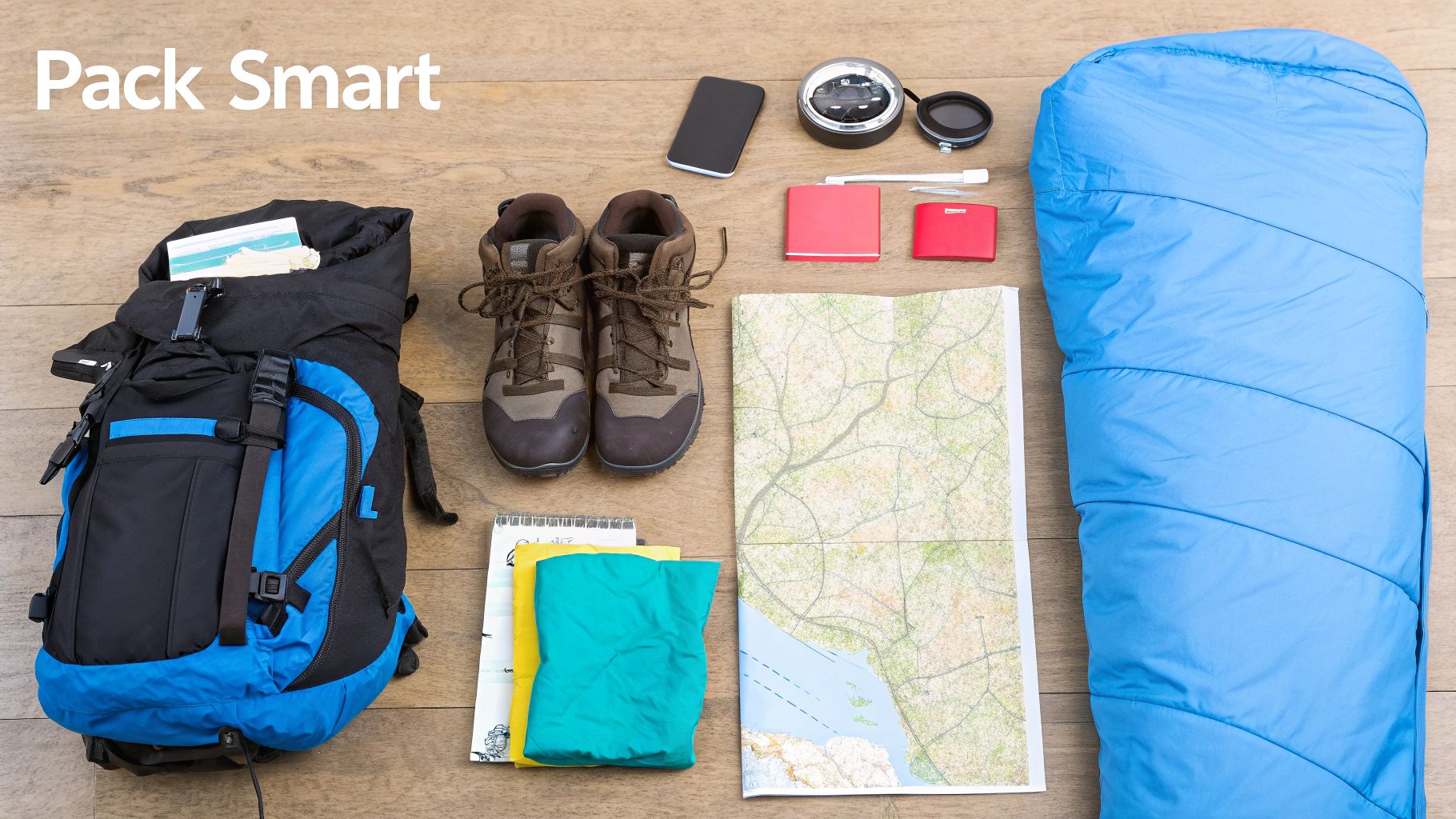
Packing for the 3 Capes Walk is a bit of an art form—a constant negotiation between comfort and necessity. You’ll be carrying everything on your back for four days, so every single item needs to justify its place. The real secret is to pack smart, not heavy, by choosing versatile gear that can handle Tasmania’s famously fickle weather.
Thankfully, the walk’s brilliant hut system gives you a huge head start. You can leave the tent, sleeping mat, and cooking stove at home. The huts have comfortable mattresses, gas cooktops, pots, and basic utensils, which immediately shaves kilograms and bulk from your pack. This lets you focus on what really matters: your personal gear, clothing, and food.
Your Backpack and Key Hiking Gear
Think of your backpack as your home for the next four days. It’s easily the most important piece of gear you’ll bring. Look for a pack with a capacity between 40-60 litres, and make sure it has a comfortable harness and a supportive hip belt. The most crucial part? Getting it properly fitted to your body. A well-fitted pack distributes weight correctly and makes a world of difference to your comfort on the trail.
Besides the pack itself, a few other items are completely non-negotiable for a safe and enjoyable trip.
- Broken-in Hiking Boots: Seriously, don’t even think about starting a multi-day hike with brand-new boots. Make sure yours are well-worn and proven to be comfortable to avoid the misery of blisters.
- Waterproof Rain Jacket and Trousers: Tasmanian weather can switch from sunshine to sideways rain in minutes. High-quality waterproofs aren’t just a good idea; they’re absolutely essential.
- Water Bladder or Bottles: You’ll need to carry at least 2 litres of water each day. The good news is the huts have rainwater tanks where you can refill every afternoon.
- Sleeping Bag: While mattresses are provided, you’ll need your own sleeping bag. A good quality, lightweight three-season bag is perfect for the job.
You can’t underestimate the mental lift that comes from a light, well-organised pack. Every gram you save is energy you can put toward soaking in those incredible views instead of wrestling with your gear.
Dressing for Four Seasons in One Day
The old cliché about Tassie weather is true, and the key to staying comfortable is layering. This simple approach lets you adapt quickly to whatever the day throws at you, from chilly, misty mornings to sun-drenched afternoons and windy coastal clifftops.
The golden rule is to avoid cotton at all costs—it soaks up moisture and takes forever to dry. Instead, build your clothing system around merino wool or modern synthetic fabrics.
Your system should include:
- A base layer (thermal top and bottoms) to wear against your skin.
- A mid-layer (like a fleece or a lightweight down jacket) for insulation.
- An outer layer (your waterproof jacket and trousers) to block wind and rain.
Don’t forget to pack a few pairs of quality hiking socks to keep your feet happy, dry, and blister-free. A warm beanie and a sun hat are also crucial for managing both cold and heat. One of my favourite tips is to bring a separate, dry set of comfortable clothes just for the evenings in the hut. It’s a small luxury that feels amazing after a long day of walking.
Deciding what to pack can be tough, so here’s a quick checklist to help you distinguish the must-haves from the nice-to-haves.
Essential Gear Checklist
| Category | Essential Items | Optional Comforts |
|---|---|---|
| Clothing | Waterproof Jacket & Trousers, Thermal Layers, Hiking Shirts/Shorts, Fleece/Puffy Jacket, Hiking Socks (3 pairs), Sun Hat, Beanie | Camp Clothes (track pants, comfy top), Gloves, Gaiters |
| Footwear | Broken-in Hiking Boots | Camp Shoes (crocs, slippers) |
| Gear | 40-60L Backpack, Lightweight Sleeping Bag, Water Bladder/Bottles (2L), Head Torch | Hiking Poles, Small Daypack, Pack Rain Cover, Sunglasses |
| Food & Cooking | Breakfasts, Lunches, Dinners, High-Energy Snacks, Reusable Mug, Spork | Hot Chocolate/Tea Sachets, Small Flask |
| Safety & Health | Personal First-Aid Kit (blisters!), Sunscreen, Insect Repellent, Personal Medications | Emergency Beacon (PLB), Water Purification Tablets |
| Electronics | Phone (for photos), Power Bank | Small Camera, E-reader |
This list should give you a solid foundation for packing a bag that’s light enough to carry comfortably but equipped for whatever the trail has in store.
Fuelling Your Adventure with Lightweight Food
Your food is your fuel on the track, but it’s also one of the heaviest things in your pack. The goal is to choose high-energy, lightweight, and easy-to-prepare meals. Dehydrated hiking meals are a fantastic option for dinners; they weigh next to nothing and just need boiling water.
For lunches and snacks, think calorie-dense foods that don’t need any cooking.
- Lunches: Crackers with hard cheese, salami, or a squeezy tube of nut butter work really well.
- Snacks: Trail mix, protein bars, chocolate, and dried fruit are perfect for munching on the move to keep your energy levels topped up.
- Breakfasts: Instant porridge sachets or muesli bars are quick, easy, and light.
And remember, this is a pristine environment. You have to pack out everything you pack in, including every last food wrapper and bit of rubbish. There are absolutely no bins on the track.
Electronics and Safety Items
While the walk is a wonderful chance to disconnect, a few bits of tech are worth bringing. Your phone doubles as a great camera and a backup navigation tool.
Finally, don’t forget a simple personal first-aid kit. It should be stocked with blister plasters, pain relief, antiseptic wipes, and any personal medications you need. A head torch is another absolute must-have for getting around the huts after dark.
Getting Fit for the Physical Demands
Let’s be honest, while the 3 Capes Walk is incredibly well-designed and accessible, showing up with a decent level of fitness is the difference between a good walk and an absolutely fantastic one. Preparing your body for the 48-kilometre journey means you can soak in the incredible scenery without being bogged down by aching muscles and sheer exhaustion.
The aim isn’t to become a super-athlete. It’s about building enough stamina to enjoy four straight days of walking with a pack on your back. A solid fitness base lets you tackle the climbs with confidence, wander at a comfortable pace, and finish each day with enough energy left to actually enjoy the incredible cabins.
Building Your Endurance and Strength
The best way to train for a long walk? It’s pretty simple: go for a walk! Start getting yourself ready at least six to eight weeks before you head off. Begin with some shorter local walks and slowly start dialling up the distance and finding some hills.
The most important bit is getting used to carrying weight. On your first few practice hikes, just throw a couple of water bottles and a jacket in your pack. As you get fitter, gradually add more weight until you’re carrying something similar to your on-trail pack, which will likely be around 10–15 kilograms.
So many people make the mistake of only training on flat paths. The 3 Capes Track is full of ups and downs. Find some local hills to train on to get your legs ready for the climb over Mount Fortescue. Trust me, you’ll be thankful you did.
To really get your body ready for the track’s terrain, mixing in some strength training is a brilliant idea.
A Simple Training Plan That Works
You don’t need a complicated gym schedule. A simple, balanced routine is all it takes to get you ready. Consistency is way more important than intensity here.
- Cardio Fitness (2-3 times per week): Get your heart rate up with activities like brisk walking, jogging, cycling, or swimming. Aim for about 30-60 minutes per session. This is all about building your engine for those longer days on the trail.
- Strength Training (1-2 times per week): Focus on your legs and core. Simple exercises like squats, lunges, and step-ups are perfect for building hiking strength. A strong core is your best friend when it comes to carrying a pack comfortably and maintaining your balance.
- The Weekly Long Hike (Once a week): This is the cornerstone of your prep. Start with a 5-8 km hike carrying a light pack. Each week, try to add a little more distance and weight, working your way up to 10-15 km with your fully loaded pack. It’s the perfect time to break in your boots and test out your gear.
If you’re keen to find some great training spots, or just want to explore more of this beautiful island, check out our guide to the best Tasmania hikes.
Common Questions About the 3 Capes Walk
Even with the most meticulous planning, you’re bound to have a few last-minute questions before locking in a big adventure like the 3 Capes Walk. Let’s tackle some of the most common ones I hear, so you can feel completely confident before you commit.
Getting these details sorted means you can relax and simply look forward to the incredible experience waiting for you on the Tasman Peninsula.
How Difficult Is the 3 Capes Walk Really?
This is probably the number one question people ask, and for good reason. Officially, the track is graded as Level 3, which is just a technical way of saying it’s designed to be achievable for most people with a decent level of fitness. You won’t find any hairy rock scrambles or treacherous terrain here. The path is incredibly well-made, often consisting of fine gravel or long, beautiful sections of boardwalk.
The real challenge isn’t about technical skill—it’s about endurance. You’ll be walking for four days straight, carrying a pack that will probably weigh somewhere between 10–15 kg. If you’re reasonably active and have done a few practice hikes to get your legs and shoulders used to the weight, you’ll find it very manageable. The key is simply to take your time and walk at your own pace.
The track is built for immersion, not for speed. There are no prizes for finishing first each day, and since your bunk is reserved, there’s no need to rush. The design genuinely encourages you to slow down and just soak it all in.
What Are the Hut Sleeping Arrangements Like?
First off, forget any preconceived notions of rustic, basic hiking shelters. The three overnight huts on the 3 Capes Walk—Surveyors, Munro, and Retakunna—are architecturally designed masterpieces built for comfort and social connection.
Each hut has shared bunk rooms, usually with four or eight bunks per room. You’ll be assigned a room number on day one which stays yours for the whole trip. The bunks themselves have comfortable memory foam mattresses, so all you need to bring is your sleeping bag.
Here’s a snapshot of what you can expect at each stop:
- Communal Kitchens: Fully decked out with gas cooktops, pots, pans, and all the basic utensils.
- Heated Dining Areas: These are brilliant spaces for unwinding, playing cards, and sharing stories in the evening.
- USB Charging Points: You’ll find a few charging stations in the main buildings for topping up phones and cameras.
- Clean Toilets: The waterless, composting toilets are surprisingly clean and very well-maintained.
One thing to know is that there are no showers, with one glorious exception. Munro Hut on night two features a unique outdoor hot bucket shower. Trust me, it feels like absolute five-star luxury after a long day on the trail.
Can I Hike the 3 Capes Walk by Myself?
Absolutely! The 3 Capes Walk is a fantastic choice for solo hikers. The track is exceptionally well-marked and a breeze to follow, so the risk of getting lost is almost zero. This setup allows you to enjoy the peace and quiet of walking alone during the day, then have the safety and community of the huts waiting for you at night.
Because you’ll be sharing the huts with up to 47 other walkers, you’ll never feel totally isolated unless you choose to be. It’s a very safe and social environment, making it a brilliant option if you want to tackle a multi-day hike on your own without the stress of a truly remote trek. Many solo hikers find they quickly make friends and form little groups to chat with in the evenings.
When Is the Best Time of Year to Go?
The most popular time to hike is during the Tasmanian summer, from December to February. This is when you’ve got the best shot at warm, sunny weather and long daylight hours. It’s also the busiest period, so you’ll need to book well in advance.
But don’t overlook the shoulder seasons—they often deliver an even better experience.
- Spring (September–November): This is when the landscape bursts into life with wildflowers, and you’ll find far fewer people on the track. The weather can be a bit of a mixed bag, but the scenery is spectacular.
- Autumn (March–May): Many seasoned walkers (myself included) believe this is the perfect time. The weather is often stable and clear, the autumn light is beautiful, and the track is much quieter.
Remember, even in the height of summer, Tassie weather can turn on a dime. You have to arrive prepared for four seasons in one day, packing high-quality waterproofs and warm layers, no matter when you go. The track usually closes for a period during winter for maintenance, so always double-check for current alerts before booking.
Feeling inspired and ready to experience this incredible journey for yourself? At Tasmania Tours, we specialise in crafting unforgettable walking holidays. Our guided tours handle all the logistics, from bookings and transport to meals and expert commentary, allowing you to simply immerse yourself in the beauty of the 3 Capes Walk. Let our local experts show you the very best of Tasmania.
Explore our expertly curated walking tours and find your perfect adventure at https://tasmaniatours.com.au.
